Prisoner Admits Murder of Soham Killer Ian Huntley
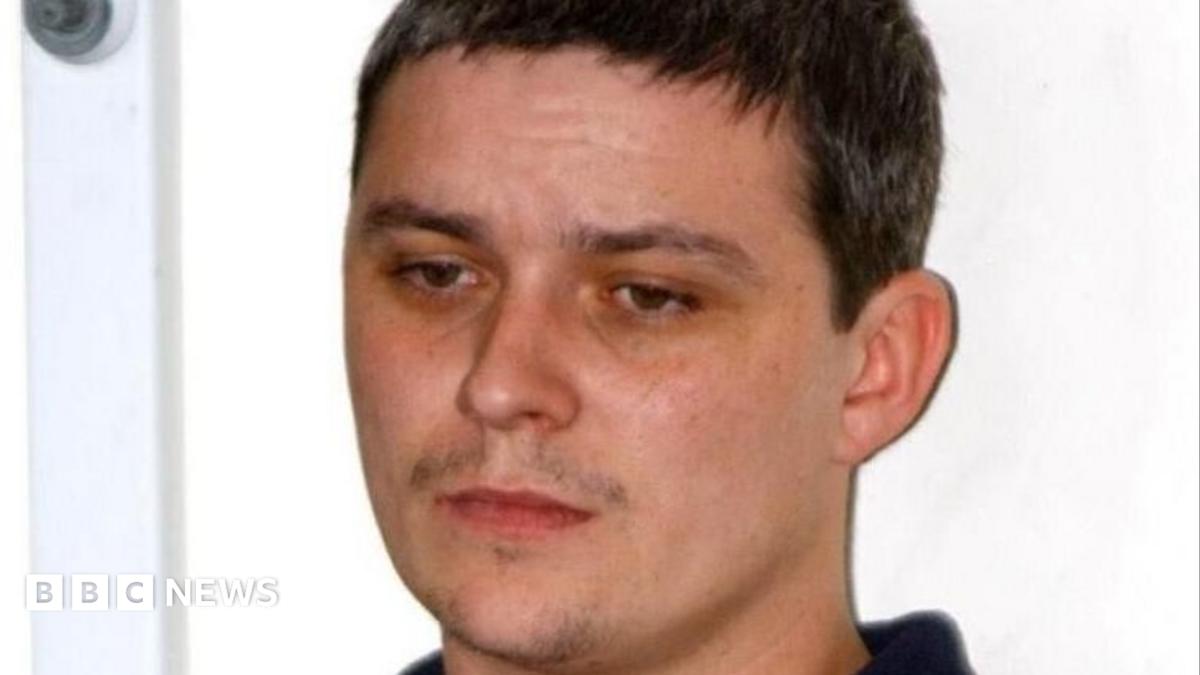
Anthony Russell, a whole-life prisoner, has pleaded guilty to murdering Ian Huntley at HMP Frankland, a high-security prison. Russell attacked Huntley in February, repeatedly striking him in the head with a 4kg metal bar in the prison’s recycling workshop, resulting in Huntley’s death nine days later from unsurvivable brain and skull injuries. Prosecutors stated the attack was a planned, “cold-blooded murder” motivated by Russell’s personal grievance with Huntley, who was serving a life sentence for the 2002 murders of Holly Wells and Jessica Chapman in Soham. Russell, already convicted of three murders, including the rape and murder of a pregnant woman and the killing of a mother and son, told prison staff he felt bullied by Huntley and believed he had “nothing to lose” as a “natural lifer.” The court heard Russell had been planning the attack for weeks, citing Huntley’s “arrogance” and “cocky” behavior. Russell was initially on trial, denying intentional killing but admitting manslaughter, before changing his plea to murder on the second day of proceedings. He will be sentenced later on Tuesday.
Where they differ
- The Independent detailed the number of injuries inflicted upon one of Russell’s previous victims (113), a detail not present in other reports.
- The BBC included information about where to find BBC North East on social media, while other outlets did not.
- Sky News provided the most concise report, focusing solely on the guilty plea without elaborating on Russell’s motivations or past crimes.
- The Guardian and Independent both emphasized the weight of the metal bar used in the attack (4kg), while the BBC did not specify the weight.
What is not yet known
- The full details of the argument between Russell and Huntley in March 2023, beyond the fact that threats were exchanged and they were separated, remain unclear.
- The specific details of the governor’s conversation with Russell regarding Huntley, beyond Russell’s statement that Huntley was ‘getting in my face,’ are not fully reported.
Background
- Ian Huntley was convicted in 2002 for the murders of Holly Wells and Jessica Chapman in Soham, receiving a life sentence [Fact Refinery, 2026-11-24].
- Anthony Russell is a “whole-life prisoner”, meaning he is expected to remain incarcerated for the rest of his life [Fact Refinery, 2026-11-24].
- Russell had previously been convicted of three murders, including the killing of a pregnant woman and a mother and son [Fact Refinery, 2026-11-24].
- The UK operates a high-security prison system, exemplified by HMP Frankland, where the murder took place [background knowledge].
Our reading
We find the speed with which Russell changed his plea to murder, after initially claiming manslaughter, significant. This suggests a calculated decision, perhaps prompted by a realization of the strength of the prosecution’s case or a desire to avoid further scrutiny of his motivations. Most likely, Russell will receive a further whole-life order, effectively ending any prospect of parole. Less likely, but possible if mitigating factors emerge during sentencing, is a slightly reduced term, though this seems improbable given his history and the premeditation involved. A key factor influencing the sentence will be the extent to which the court accepts Russell’s claim of bullying as genuine, versus simply a justification for his actions. The case highlights the volatile environment within high-security prisons, where individuals with histories of extreme violence are confined together. The prior article detailing escalating Russian war losses demonstrates how readily violence escalates in confined spaces, even with external control. The Trump administration’s focus on capital punishment, as reported on 2026-11-24, suggests a broader societal appetite for retribution, which may influence public perception of this case. The fact that Huntley, despite his heinous crimes, became a target within the prison system raises questions about the dynamics of prison justice. Huntley’s ‘arrogance’ and ‘cocky’ behaviour, as cited by Russell, may have exacerbated tensions, but do not excuse the premeditated murder. The lack of detail regarding the initial altercation between the two men, as noted in the “What is not yet known” section, leaves open the possibility of a more complex backstory.
What to watch
- The sentencing hearing for Anthony Russell, to determine the specific term of his punishment [court records].
- Any statements from the Prison Service regarding a review of security protocols at HMP Frankland [Prison Service website].
- Further reporting on the details of the March 2023 incident between Russell and Huntley, if they become available [news outlets].
Read the original coverage
💬 Comments
📜 Comment Policy