Princess Kate Shares Cancer Journey, Mountain Challenge in New Documentary
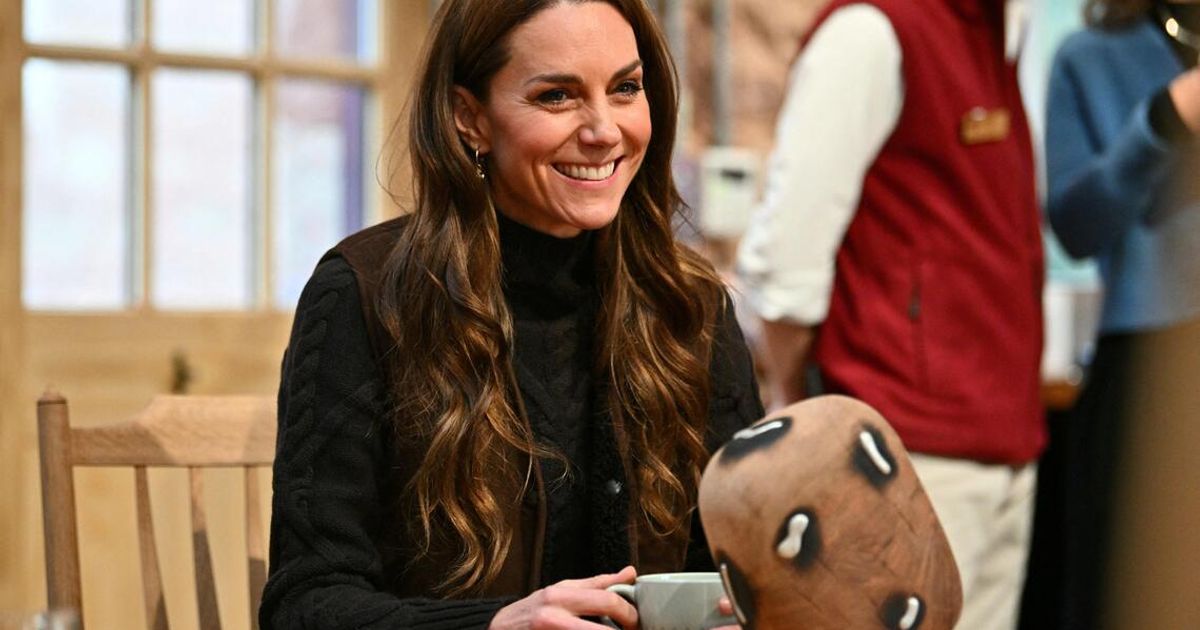
Princess Catherine, 44 and in remission, details her cancer diagnosis and recovery in a new 30-minute documentary, *Heal*, which follows her attempt to complete the Three Peaks Challenge in June. The film, intended to support the Royal Marsden cancer hospital, reveals Kate’s reflections on confronting mortality and the importance of support during illness. While undergoing treatment in early 2024, Kate recalls a moment of feeling disoriented in a sterile hospital environment, finding comfort in someone simply being present with her, holding her hand. She stated, “They weren’t talking to me. They weren’t trying to fix anything. They were just there…And the presence of someone that stood by me in that time, I’ll forever be grateful for. And it really made me realise the importance of simply being alongside somebody through their darkest times.” Kate describes a shift in perspective after confronting her vulnerabilities, acknowledging that “life is not infinite.” The documentary also highlights the idea that despite her royal status, Kate experiences similar challenges and fears as others. The film does not disclose the specific type of cancer Kate was treated for, nor does it provide new details about her treatment. Kate said the idea for the film began to germinate last spring as a way to support the Royal Marsden, which has helped “hundreds of thousands of people” after they “receive the worst news all of their lives.”
Kate describes health being the great leveller, a theme she and Prince William have stressed as they prepare for their future roles as King and Queen. The film underscores their intention to be more open while maintaining control over their narrative.
Background
- Anmer Hall is a 10-bedroom country retreat gifted to William and Catherine by Queen Elizabeth II in 2011, used as a holiday home but not their primary residence [Fact Refinery, 2026-11-24].
- Prince Harry and Meghan, the Duke and Duchess of Sussex, are nonworking members of the royal family, following their move to California [Fact Refinery, 2026-10-15].
- Princess Catherine announced her cancer diagnosis and chemotherapy treatment in March 2024, and revealed she was in remission in January 2025 [Fact Refinery, 2026-11-21].
- The DNC held 12 debates during the 2020 presidential primary cycle, mirroring the planned format for 2028 [Fact Refinery, 2026-11-23].
Our reading
We begin by considering the documentary’s purpose: supporting The Royal Marsden cancer hospital and shaping the narrative around Princess Catherine’s health. The choice to film the Three Peaks Challenge, a physically demanding undertaking, suggests a deliberate attempt to project strength and resilience following a serious illness. Most likely, this will reinforce public perception of the Princess as both relatable and determined, bolstering support for her future role as Queen. A less likely outcome would be increased scrutiny of the royal family’s health disclosures, potentially prompting demands for greater transparency from other members. This would hinge on whether the documentary is perceived as genuinely open or merely a carefully constructed public relations exercise. The documentary’s emphasis on “health being the great leveller” and the intention to be more open while maintaining control over the narrative is noteworthy. This suggests a broader strategy of modernizing the monarchy, attempting to connect with the public on a more human level while preserving the institution’s authority. This could be seen as a response to recent challenges faced by the royal family, including the security breach at Anmer Hall and the ongoing situation with Prince Harry and Meghan. The focus on personal vulnerability, while seemingly empathetic, also serves to highlight the contrast between the Princess’s experience and that of ordinary cancer patients. This tension, though subtle, could be interpreted as reinforcing the privileges associated with royal status.
What to watch
- The viewership figures for *Heal* across different platforms (BBC, NBCUniversal, etc.) will indicate the level of public interest and engagement [BBC, NBCUniversal].
- The response from cancer charities and patient advocacy groups will reveal whether the documentary is perceived as a genuine contribution to raising awareness and support [cancer charities].
- Any further security measures implemented at royal residences following the recent break-in at Anmer Hall would suggest a heightened level of concern [Norfolk Police].
Read the original coverage
💬 Comments
📜 Comment Policy