Pizza Hut Co-Founder Dan Carney Dies at 95
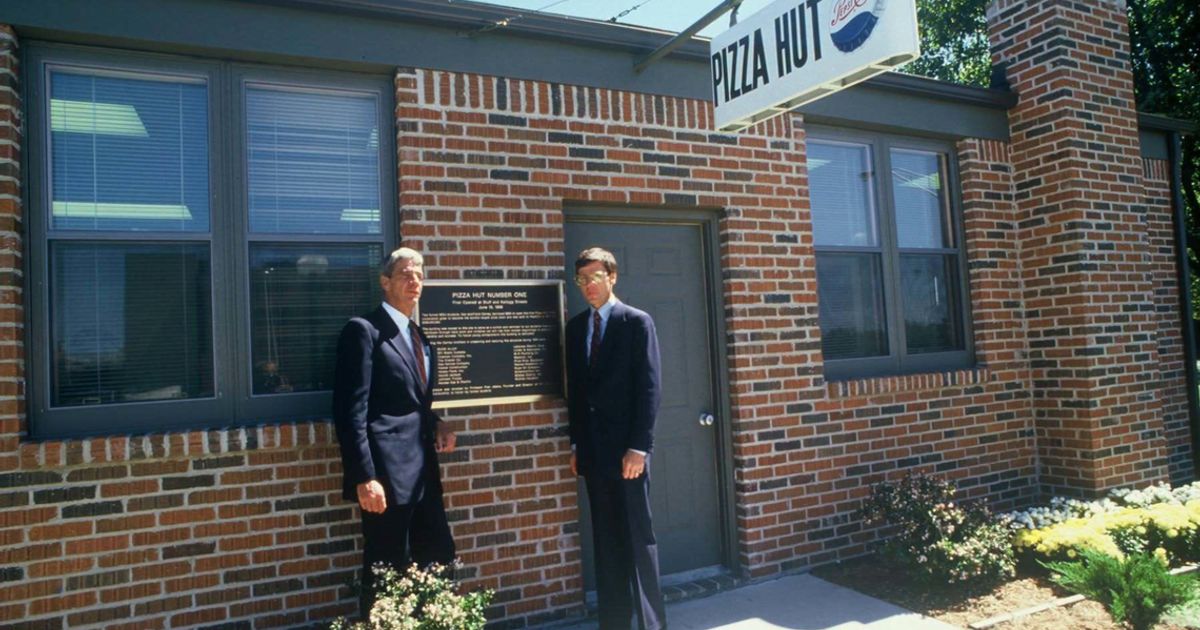
Dan Carney, co-founder of Pizza Hut, died November 13 at his home in Wichita, Kansas, at age 95 from chronic obstructive pulmonary disease. In 1958, Carney, then 26, and his 19-year-old brother Frank, borrowed $600 from their mother to open the first Pizza Hut in Wichita, inspired by an article on pizza in The Saturday Evening Post. They secured their first pizza chef, John Bender, through a sister’s neighbor, who had pizzeria experience in Indiana and developed Pizza Hut’s early sauce recipe. The restaurant, initially around 500 square feet, quickly became successful, expanding to 1,000 locations by 1971 through franchising. In 1977, the Carney brothers sold Pizza Hut to PepsiCo for $300 million, with Dan Carney remaining active in business and charity afterward. The first Pizza Hut location is now a museum on the campus of Wichita State University. Dan’s wife, Beverly, made the original curtains and tablecloths, and ingredients came from the family’s grocery store, Carney’s Food Market.
Pizza Hut’s success stemmed from ambitious franchising and a distinctive red roof design, spreading from Kansas to states including Missouri, Oklahoma, Colorado, and Nebraska, and eventually internationally to countries like Australia and China. The story, according to a professor interviewed, is less about the first restaurant and more about the subsequent expansion through multiple locations.
Our reading
We see two potential outcomes regarding the legacy of Dan Carney. Most likely, his story will be remembered primarily as a classic American entrepreneurial tale: a small family investment blossoming into a global brand. The emphasis, as the interviewed professor suggests, will remain on the franchising success rather than the initial restaurant. Less likely, but possible, is a renewed focus on the early, family-run aspects of the business, Beverly Carney’s handmade textiles, the family grocery store, if the museum at Wichita State University actively promotes that narrative. A significant increase in museum visitors or related media coverage would signal this shift. The success of Pizza Hut through franchising mirrors a broader trend in post-war American business, where standardized models and rapid expansion became hallmarks of many industries. This model, while effective, also raises questions about the balance between local character and corporate uniformity, a tension still relevant today. The article does not offer insight into PepsiCo’s current strategy for the Pizza Hut brand, or any internal challenges within the company. However, given the competitive fast-food landscape, maintaining brand relevance and adapting to changing consumer preferences will likely be key priorities for PepsiCo moving forward.
What to watch
- Attendance figures at the Pizza Hut museum at Wichita State University [Wichita State University website].
- Any statements from PepsiCo regarding plans to commemorate Dan Carney’s life and legacy [PepsiCo press releases].
- Coverage of the Carney family’s philanthropic activities following Dan Carney’s death [local Kansas news outlets].
Read the original coverage
💬 Comments
📜 Comment Policy