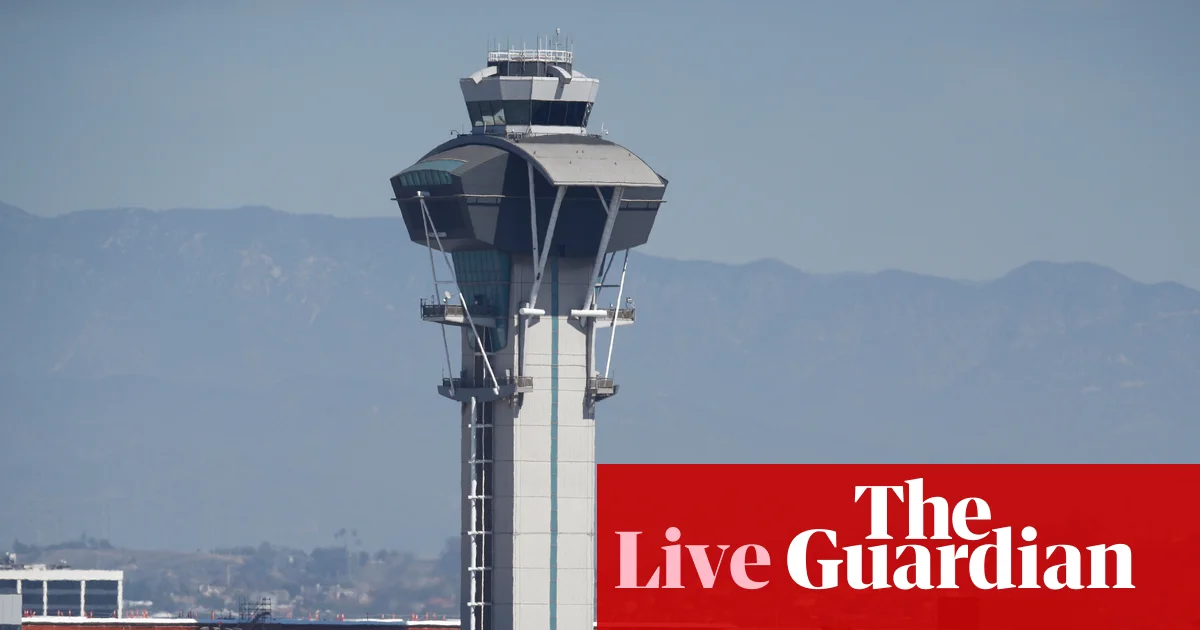
All U.S. flights were grounded Wednesday morning due to a communication issue impacting Air Route Traffic Control Centers, according to U.S. Transportation Secretary Sean Duffy. The Federal Aviation Administration (FAA) initiated a nationwide ground stop for safety reasons, affecting approximately 7,000 flights, either delaying or canceling them, according to FlightAware. FAA technicians are investigating the cause of the outage. This is the second nationwide ground stop since September 11, 2001; the previous one occurred in January 2023 and lasted less than two hours. Last year, Congress approved $12.5 billion to address aging communications infrastructure, and the FAA and White House recently requested an additional $30.1 billion. The FAA advised all airborne flights to circle instead of landing during the communications outage. The grounding comes after the FAA announced the operational status of the first digital air traffic control towers in Florida and Alaska, part of an effort to update the nation’s aviation infrastructure with advanced camera systems and digital displays.
Reports from airports across the U.S. indicate significant disruption, with hundreds of passengers waiting for updates at terminals like Ronald Reagan Washington National Airport. Passengers attempted to change flights, with many filling seats and some resorting to using luggage as makeshift desks. The FAA notice stated the ground stop was implemented “due to extraordinary circumstances and for reasons of safety.”
We begin by assessing the most likely outcome: a relatively swift return to normal operations, contingent on a clear and rapidly addressed cause for the outage. The FAA’s experience with the January 2023 ground stop suggests a playbook for restoring service, though the scale of approximately 7,000 affected flights is considerable. A less likely scenario involves a more complex or systemic failure, requiring prolonged repairs and potentially triggering further disruptions in the coming days. This would be indicated by repeated failures or a protracted investigation. The recent requests for additional funding suggest the FAA recognizes the need for substantial upgrades; however, the speed of implementation remains a key factor. The grounding highlights the fragility of the US air traffic control system, already under strain from equipment failures and controller shortages, as noted by Al Jazeera. The repeated investment in infrastructure, coupled with ongoing incidents, suggests a reactive rather than proactive approach. The incident also impacts travel for a large number of passengers, and could have knock-on effects for connecting flights and the wider travel industry. Considering the recent UK air traffic control issues, and the airlines’ demands for reform, it’s possible Nats is facing similar pressures. While the current situation appears specific to the US, the global interconnectedness of air travel means that disruptions in one region can quickly ripple outwards.
Read the original coverage
💬 Comments
📜 Comment Policy