Judge Blocks FCC From Reviewing ABC’s Broadcast Licenses, Citing Retaliation
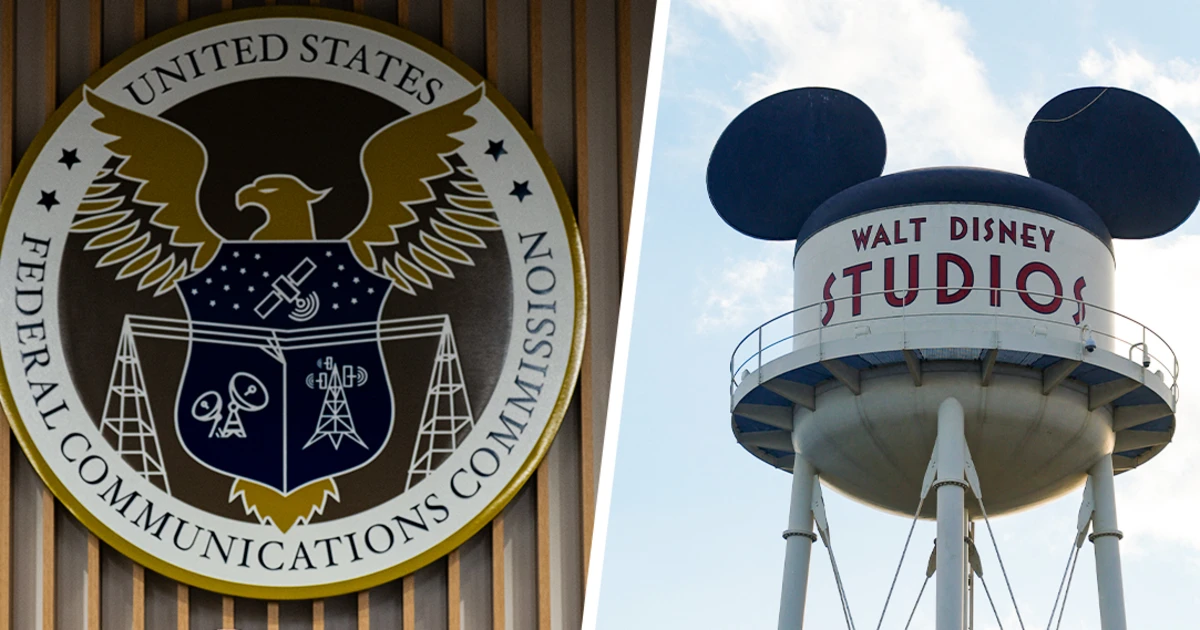
A federal judge has temporarily blocked the Federal Communications Commission from moving forward with an early review of ABC’s broadcast licenses, finding that the agency’s actions were likely motivated by retaliation for the network’s critical coverage of former President Trump. U.S. District Judge Loren L. AliKhan granted a preliminary injunction in favor of Disney-owned ABC, after the network sued the FCC in August, arguing the review was an attack on free speech. The judge cited multiple instances of President Trump publicly calling for ABC’s licenses to be revoked, and found that FCC Chairman Brendan Carr “has taken President Trump’s rhetoric as his marching orders.” The FCC argued the license review was prompted by a potential violation of anti-discrimination rules, but Judge AliKhan deemed that explanation “not credible.”
The judge’s 45-page ruling points to at least eleven public statements from Trump urging the FCC to strip ABC of its licenses due to perceived unfair coverage. Carr had also initiated an investigation into ABC’s daytime talk show “The View” and threatened the network over a monologue by Jimmy Kimmel. ABC argued the early license renewal proceedings created a “chilling effect” on its editorial discretion, with “The View” avoiding candidate interviews and Kimmel posting an interview on YouTube rather than broadcasting it.
The FCC maintains it was acting lawfully to hold broadcasters accountable and intends to “prevail in full” on the matter, while ABC News hailed the ruling as an “important victory for the First Amendment.” Judge AliKhan ordered ABC to post a $1 bond as a condition of the injunction, and denied the FCC’s request to dismiss Disney’s lawsuits.
Where they differ
- Variety and CBS News emphasized ABC’s claim that the FCC actions created a ‘chilling effect’ on its editorial discretion, detailing specific instances of self-censorship.
- Reason highlighted the judge’s dismissal of the FCC’s stated reason for the review, potential discrimination, as pretextual, while other outlets presented it as part of the broader legal argument.
- Left-leaning outlets (Guardian, Independent) focused more on the judge’s finding that Carr acted on Trump’s directives, framing it as a direct attack on free speech.
- NBC News provided the most detailed account of the October 6 hearing, including quotes from both Disney’s lawyer and the FCC’s legal team.
What is not yet known
- The full extent of the FCC’s investigation into potential discrimination at ABC remains unclear.
- It is not yet known whether the FCC will appeal the judge’s decision.
Background
- The FCC authorized state prisons to jam cellphone signals, reversing a long-standing ban rooted in the Communications Act of 1934 [Fact Refinery, 2026-11-20].
- Jimmy Kimmel moved an interview with a Senate candidate to YouTube, citing threats from the FCC during the Trump administration, following similar action by Stephen Colbert [Fact Refinery, 2026-09-10].
- In 2026, the FCC initiated an early renewal process for ABC-owned stations, citing concerns about diversity, following a joke by Jimmy Kimmel about Melania Trump [Fact Refinery, 2026-04-29].
- ABC challenged an early review of its broadcast licenses by the Trump administration, arguing it chilled editorial decisions [Fact Refinery, 2026-10-07].
Our reading
We begin by considering the likely outcomes. Most likely, the FCC will appeal the judge’s decision, attempting to demonstrate a legitimate, non-retaliatory basis for the license review. A successful appeal hinges on the FCC presenting compelling evidence of ABC’s alleged anti-discrimination violations, something Judge AliKhan already deemed “not credible.” Less likely, but possible, is a negotiated settlement between Disney and the FCC, potentially involving a commitment from ABC to address DEI concerns in exchange for dropping the license review. This would require both sides to compromise, and the judge’s strong ruling makes that a tougher sell for ABC. The case highlights a broader aspect: the potential for executive branch pressure on independent media. The judge’s finding that Chairman Carr acted on Trump’s directives establishes a pattern of behavior that could undermine the First Amendment protections afforded to broadcasters. This is particularly concerning given the FCC’s regulatory power over broadcast licenses and its ability to influence media narratives. On the other side, Brendan Carr and the FCC face internal pressure to defend their actions. While publicly maintaining the legality of the review, Carr must navigate the political fallout from the judge’s ruling and the perception of yielding to presidential pressure. The agency’s credibility is at stake, and a prolonged legal battle could further erode public trust.
What to watch
- The FCC’s filing of an appeal with the U.S. Court of Appeals for the D.C. Circuit [FCC website].
- Any statements from former President Trump regarding the ruling or the FCC’s next steps [Trump’s social media accounts/news outlets].
- The deadline for Disney to post the $1 bond as ordered by Judge AliKhan [Court records].
Read the original coverage
💬 Comments
📜 Comment Policy