Houthis Claim Attacks on Saudi Jeddah Port, Gas Facilities
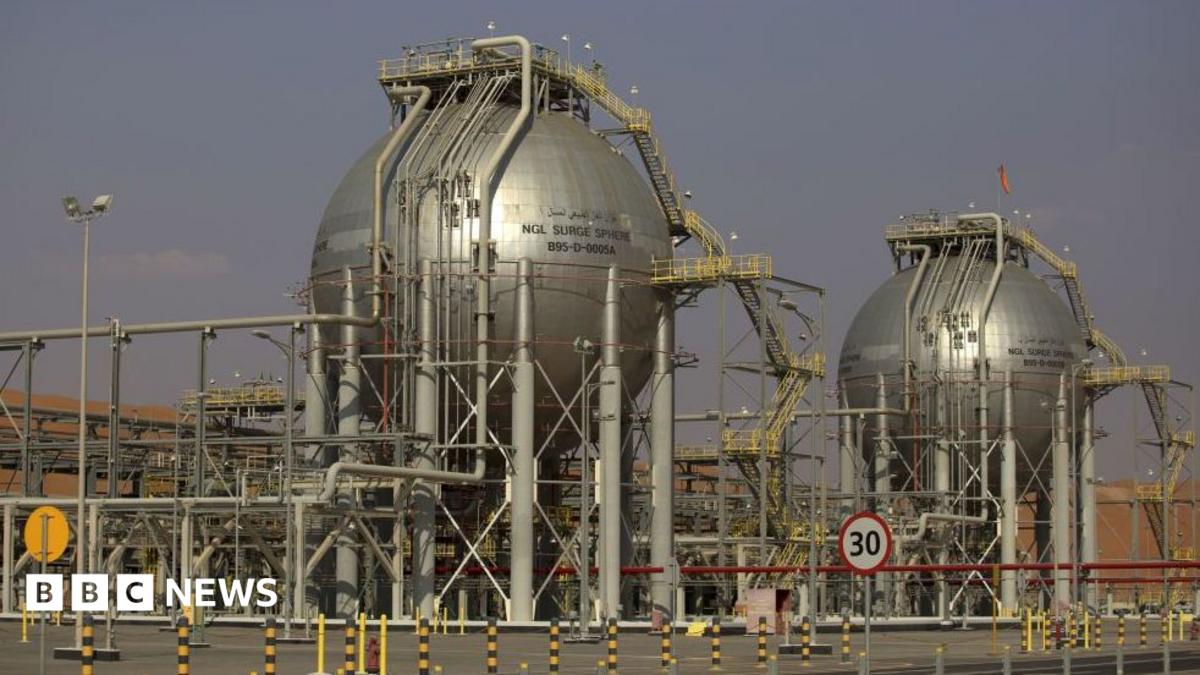
Yemen’s Houthi group claimed Sunday to have attacked the port of Jeddah, gas facilities, and military targets in Saudi Arabia. Houthi military spokesperson Yahya Saree stated the attacks were in response to Saudi aggression in Yemen. Saudi-led coalition forces responded by striking Houthi sites in Ras Isa and intercepting three cruise missiles. The Houthis seized territory around the Bab al-Mandab strait in mid-November, contributing to a surge in global oil prices as Saudi Arabia relies on the Red Sea for oil exports. The UN estimates nearly 330,000 people have been displaced in Yemen due to escalating fighting, with hundreds reported killed. Saudi-led coalition spokesman Turki al-Maliki said its forces struck five targets in Ras Isa, and another 19 that contributed to Houthi missile and drone launches.
Background
- Yemen’s Houthi rebels have repeatedly attacked airports and infrastructure in both Yemen and Saudi Arabia, escalating fighting with Saudi-backed government forces [Fact Refinery, 2026-10-07].
- The Houthis seized territory around the Bab al-Mandab strait in mid-November, impacting global oil prices due to Saudi Arabia’s reliance on the Red Sea for oil exports [Fact Refinery, 2026-10-07].
- Pakistan has deployed troops to Saudi Arabia under a trilateral defense agreement with Saudi Arabia and Turkey, intended to bolster defenses against Houthi attacks [Fact Refinery, 2026-11-29].
- The Saudi-led coalition has consistently responded to Houthi attacks with airstrikes targeting Houthi assets in Yemen [Fact Refinery, 2026-10-26].
Our reading
We begin by assessing the most likely outcome: continued escalation. The Houthis’ targeting of Jeddah port and gas facilities, coupled with the Saudi-led coalition’s response, suggests a pattern of reciprocal attacks. A temporary lull is possible, but contingent on either a significant diplomatic breakthrough, which seems unlikely given stalled US-Iran talks, or a decisive military victory by one side. A less likely scenario is a broader regional conflict, potentially drawing in Iran directly, should the Houthis sustain successful attacks on critical Saudi infrastructure. This would be triggered by a perceived need to protect their proxies or a miscalculation of the risks. The attacks on vital infrastructure, particularly the Jeddah port and gas facilities, highlight a broader aspect: the vulnerability of global supply chains. The Bab al-Mandab Strait’s importance as a key shipping route, especially given restrictions elsewhere, means disruptions there will inevitably affect oil prices and international trade. The fact that Pakistan and Turkey are reinforcing Saudi defenses demonstrates a regional concern over the security of these routes. Considering the other side, the Houthis appear emboldened by their ability to repeatedly strike Saudi targets despite the coalition’s military superiority. Their continued attacks, even in the face of Pakistani troop deployments, suggest a willingness to accept significant costs to achieve their objectives, or a belief that they can inflict enough damage to force concessions. The Saudi-led coalition, while possessing superior firepower, faces the challenge of operating in a complex and protracted conflict, with limited success in decisively defeating the Houthis.
What to watch
- The number of Pakistani troops deployed to Saudi Arabia and their specific assignments [Pakistan Military, ongoing].
- Whether the Houthis claim further attacks on Saudi infrastructure, particularly targeting oil facilities [Houthi military spokesperson Yahya Saree, ongoing].
- Any changes in oil prices following further disruptions to shipping through the Red Sea [CNBC, daily].
Read the original coverage
💬 Comments
📜 Comment Policy