Spain faces general elections with polarization and focus on housing
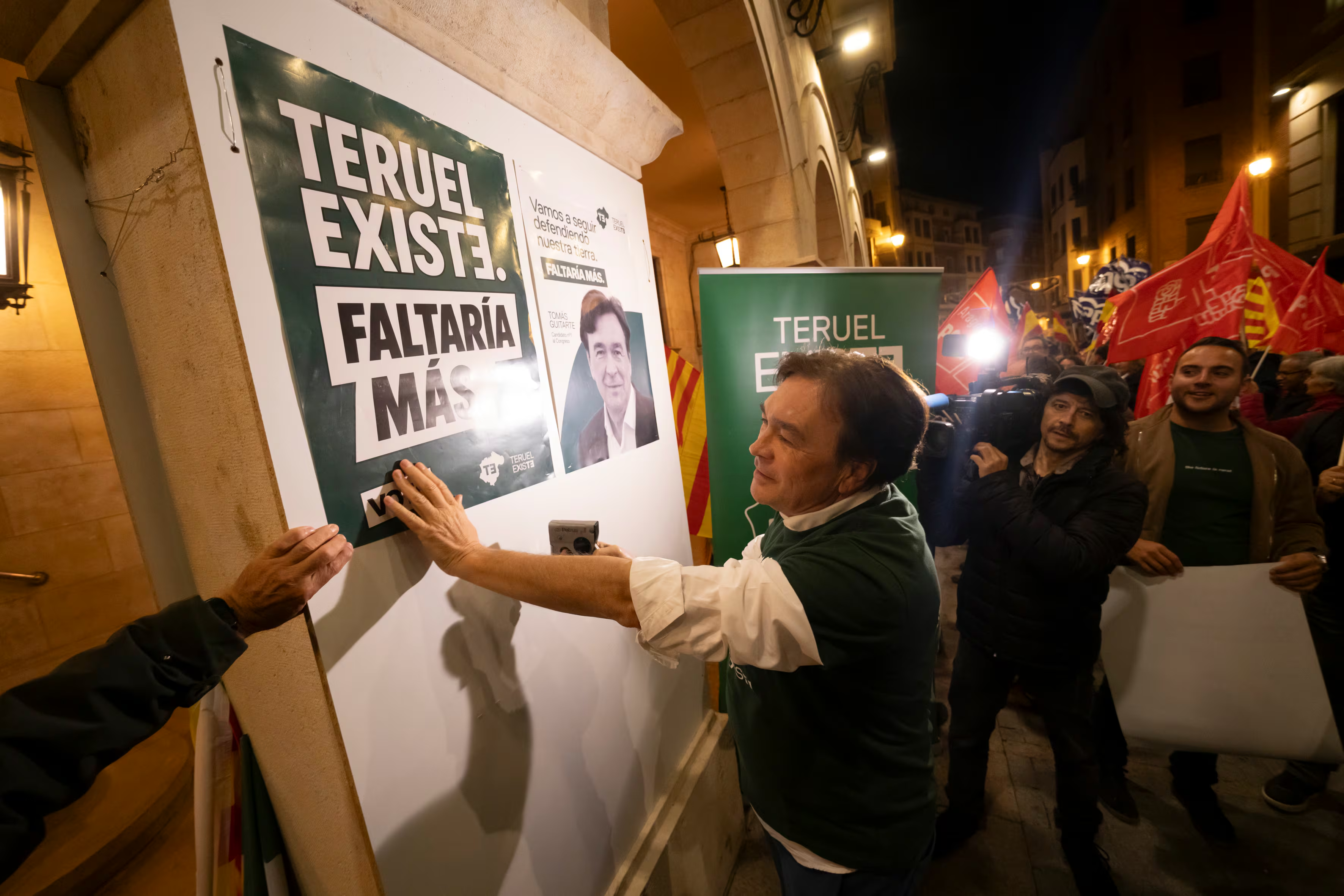
Spain is preparing for the general elections on November 29 in a climate of political polarization, with a growing focus on the housing problem. Only Teruel Existe and Soria ¡YA! aspire to obtain seats in the Congress, while the main parties, PP and PSOE, clash for the vote. The leader of the PP, Alberto Núñez Feijóo, and the president of the Community of Madrid, Isabel Díaz Ayuso, will hold a campaign event in Madrid, while Ada Colau, candidate for Frente Amplio, holds the PP responsible for the housing crisis due to its land liberalization policies. Xavier García Albiol, candidate for the PP, attributes the problem to the illegal occupation of homes.
Additionally, WhatsApp messages from Leire Díez, known as the "PSOE plumber", have been revealed, detailing strategies and evidence related to a judicial investigation into alleged maneuvers to destabilize judicial causes affecting the PSOE and the government. Judge Santiago Pedraz is investigating whether a plot existed in this sense, and Díez's messages seem to confirm the existence of a coordinated strategy.
Empty Spain, represented by Teruel Existe and Soria ¡YA!, seeks greater representation in the Congress, but faces a context of polarization that hinders its work. The electoral campaign focuses on issues such as housing, the economy, and political stability, with cross accusations between the main parties. The judicial situation involving Leire Díez adds an element of uncertainty to the campaign, with possible implications for the PSOE and the government.
How they differ
• El País focuses on the difficulty of provincial parties to gain ground in a polarized climate.
• OK Diario emphasizes the cross accusations between PP and Frente Amplio regarding the housing crisis, as well as the judicial investigation into WhatsApp messages related to the PSOE.
• OK Diario details extensively the content of Leire Díez's WhatsApp messages, while El País does not mention this aspect.
What is still not known
• The real scope of the judicial investigation into the alleged maneuvers to destabilize judicial causes.
• The impact that the housing policies proposed by the different parties will have on the current crisis.
Our reading
We consider that the most likely result is a narrow victory for the PP, although without an absolute majority, which would force negotiations to form a government. A significant mobilization of the Empty Spain electorate, driven by greater attention to their specific demands, could alter this balance, although it seems less likely given the climate of polarization described by El País [El País, 2026-11-25]. The revelation of the WhatsApp messages and their impact on the judicial investigation, if the accusations of manipulation are confirmed, could further weaken the PSOE and favor the PP. A broader aspect to consider is the growing political polarization in Spain, evidenced by the confrontation surrounding housing and accusations of corruption. This could hinder governability, even if one party manages to form a government, and could exacerbate social tensions. The reference by La Razón to elections with geopolitical implications [La Razón, 2026-11-24] suggests that the voting goes beyond domestic issues. The PSOE, despite the accusations and the judicial investigation, has a loyal voter base, as seen from the support for anti-war policies and the preference for China pointed out by El Mundo [El Mundo, 2026-03-05]. Its ability to mobilize this electorate and counteract the PP narrative will be crucial for its chances of success. What to observe Official results of the November 29 elections and the number of seats obtained by each party (Electoral Commission, 30-N). Progress of the judicial investigation into the WhatsApp messages and possible indictments (Courts, continuous monitoring). Statements from the leaders of the PP and PSOE after the elections and their intentions to form a government (media, 30-N onwards).
Read the original coverage
💬 Comments
📜 Comment Policy