EPA Reports No Airborne Lead After Iowa Explosives Detonation
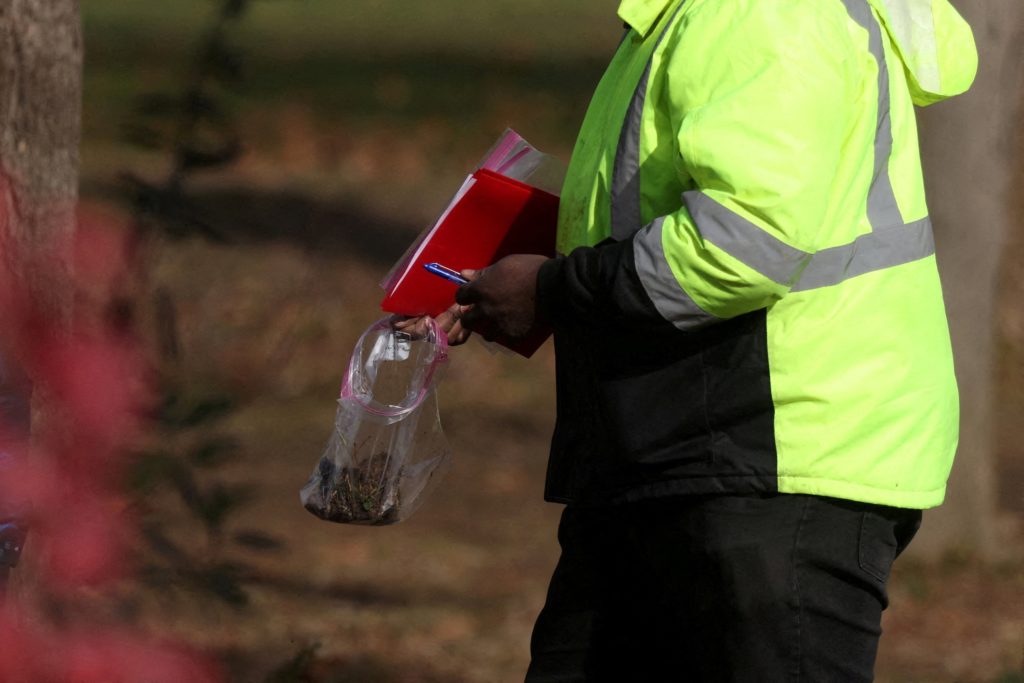
The Environmental Protection Agency reported "zero" airborne lead in Middletown, Iowa, following the Army’s detonation of nearly five tons of unstable explosives. The detonation took place Wednesday, and the EPA’s findings, released Thursday, are based on data from four air monitors. The Army conducted the controlled demolition to dispose of the explosives, and the EPA’s report indicates no detectable lead in the surrounding air. Both PBS Newshour and Newsmax reported the EPA’s findings, with both outlets stating the agency detected no airborne lead following the detonation.
Background
- The U.S. Army planned to detonate approximately 5 tons of unstable lead azide at the Iowa Army Ammunition Plant in Middletown, Iowa, citing safety risks from its deterioration [Fact Refinery, 2026-11-20].
- Environmental groups filed a lawsuit to halt the detonation, raising concerns about health and pollution risks for the approximately 400 residents of Middletown and surrounding areas [Fact Refinery, 2026-11-23].
- The Army initially scheduled the detonation for Friday, then delayed it to Monday before a federal court temporarily paused the operation, but invoked emergency provisions to proceed [Fact Refinery, 2026-11-23].
- Lead azide is a highly sensitive explosive used in munitions for nearly a century, and the Army discovered in March that water had evaporated from its stabilizing bath [Fact Refinery, 2026-11-20].
- The Army projected a dust plume could reach 25 miles and affect areas in Iowa and Illinois, including farmland and playgrounds [Fact Refinery, 2026-11-20].
Our reading
We begin by noting the swiftness of the EPA’s report, released only one day after the detonation, suggesting a pre-planned and rapid assessment protocol. The consistent reporting from multiple outlets, PBS Newshour, Newsmax, The Verge, Nature World News, WSAW, Inside Climate News, and The New York Times, all confirming “zero” airborne lead, lends credibility to the finding, though further lab results are still pending according to WSAW. Most likely, this outcome will allow the Army to avoid further legal challenges and proceed with similar disposal methods for other unstable munitions. A less likely outcome would be a sustained campaign by environmental groups demanding independent verification of the EPA’s results, potentially triggered by discrepancies in the pending lab results. The Trump administration’s prior rollback of methane regulations [Fact Refinery, 2026-10-28] demonstrates a willingness to prioritize expediency and cost savings over environmental concerns, which could embolden the Army to take similar risks in the future. The broader aspect here is the aging infrastructure of munitions plants and the challenges of safely disposing of decades-old explosives. The Army’s initial plan to chemically neutralize the lead azide being deemed too risky [Fact Refinery, 2026-11-24] highlights the limited options available and the potential for similar situations at other facilities. THE OTHER SIDE, in this case the environmental groups, appear to have been effectively sidelined by the Army’s invocation of emergency provisions and the President’s deference to the courts [Fact Refinery, 2026-11-23]. Their concerns about transparency and potential health impacts, while valid, were ultimately outweighed by the Army’s assessment of immediate safety risks.
What to watch
- The full results of the EPA’s lab analysis, expected in the coming days, to confirm the initial “zero” readings [WSAW].
- Any further legal action taken by environmental groups challenging the Army’s decision or the EPA’s assessment [various outlets].
- Future announcements from the Army regarding the disposal of other unstable munitions stockpiles [various outlets].
Read the original coverage
💬 Comments
📜 Comment Policy