Democrats Secure Largest House Majority in Over Three Decades
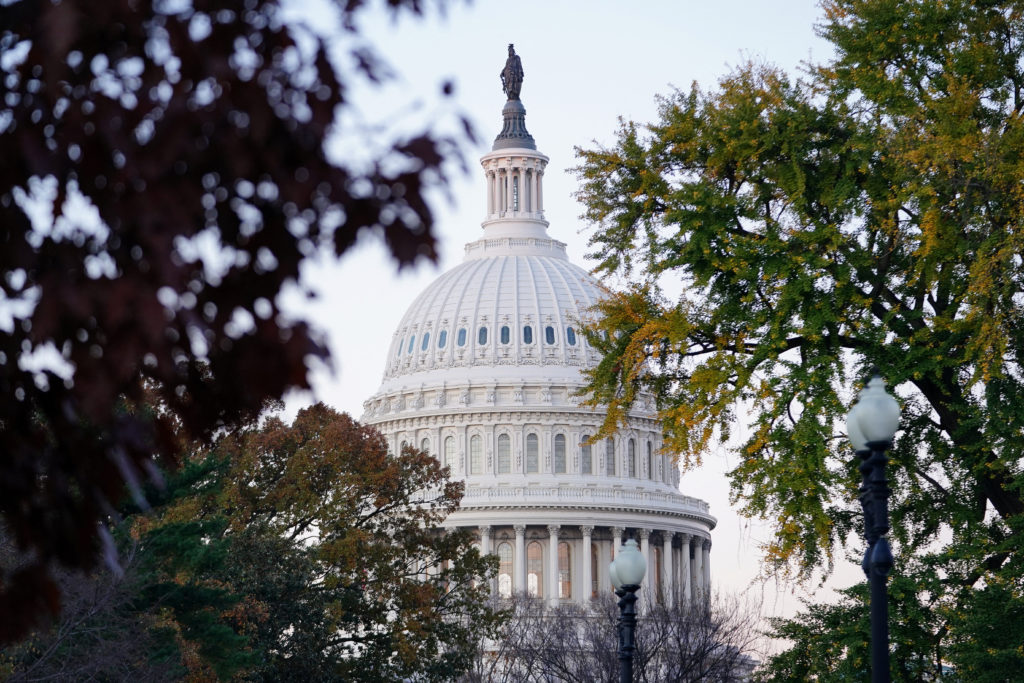
Democrats have clinched a House majority of at least 258 seats, marking the largest gain for either party in a national election in three decades. The milestone was reached after Democrat Chuck Hubbard defeated Republican Rep. Virginia Foxx in North Carolina, securing 48.7% of the vote to Foxx’s 48.6%, with 99% of votes counted. This brings the total number of seats gained by Democrats to 44, exceeding the 40 they secured during President Trump’s first midterm in 2018. The 258-seat tally establishes a significant power dynamic with a divided government, as Democrats also control the Senate with a 56-seat majority, while the presidency remains in Republican hands.
The Democrats’ majority is larger than any they’ve seen in elections since 1992, when Bill Clinton was first elected president (258 seats) or Barack Obama in 2008 (257 seats), though still short of the high-water mark of the Franklin D. Roosevelt era. Representative Jason Crow of Colorado emphasized the urgency to address issues such as healthcare access, economic hardship, and immigration concerns, stating, “Like, hell yeah, we should feel pressure.” The scale of the Democratic wins spanned across various states, driven by voter discontent with high prices, the Iran war, and perceived corruption.
While the Senate majority is also significant, the House majority presents both opportunities and challenges for Democrats, including a planned 100-day agenda focused on addressing the cost of living and launching oversight investigations into the Trump administration. Four House races remain outstanding in Minnesota, Tennessee, and two in Louisiana, heading to a December runoff. Republicans will hold at least 173 seats in the minority. Left-leaning outlets emphasize the mandate for governing, while right-leaning coverage highlights the pressure on Democrats to deliver on campaign promises. The Straits Times reports Democrats are planning swift votes to reverse Republican Medicaid cuts and restore Affordable Care Act tax credits, and to use subpoena powers to check presidential power.
Where they differ
- The Washington Times and Straits Times both highlighted the opportunities and intense pressure facing Democrats, while other outlets focused primarily on the numerical achievement of the majority.
- Left-leaning outlets like PBS Newshour and The New York Times framed the wins as a mandate for governing, while right-leaning outlets like the Washington Examiner emphasized the pressure on Democrats to deliver on promises.
- The Straits Times provided additional detail on the Democrats’ planned 100-day agenda, including specific legislative priorities, which was less prominent in other reports.
What is not yet known
- The specific details of the oversight investigations planned by Democrats remain largely undefined.
- The outcome of the four remaining House races in Minnesota, Tennessee, and Louisiana is still uncertain.
Background
- Democrats secured a 40-seat gain in the House during the 2018 midterm elections under President Trump [Fact Refinery, 2026-11-22].
- In 1992, Democrats held 258 seats in the House when Bill Clinton was first elected president [Fact Refinery, 2026-11-22].
- In 2008, Democrats held 257 seats in the House when Barack Obama was first elected president [Fact Refinery, 2026-11-22].
- The US lost its measles elimination status in 2026, after 26 years, due to declining vaccination rates and outbreaks [Fact Refinery, 2026-11-17].
Our reading
We begin by considering the immediate political landscape. The most likely outcome is a period of intense legislative gridlock. With Republicans controlling the presidency, they will likely veto any major Democratic initiatives, and the Democrats, while holding House and Senate majorities, may lack the votes to override those vetoes. A less likely scenario involves some degree of bipartisan compromise, perhaps on issues where both parties face domestic pressure, such as addressing high prices, but this would require significant concessions from both sides. The balance could tip if a major international crisis emerges, forcing cooperation. Beyond the immediate legislative battles, this election result signals a potential realignment of political forces. The scale of the Democratic gains, particularly in traditionally Republican areas, suggests a growing dissatisfaction with the Republican platform on issues like the Iran war and economic policy. This could have broader consequences for future elections, potentially eroding the Republican base in key swing states. The article highlights the pressure on Democrats to deliver on promises, but also notes the internal debate regarding governing versus investigation, a tension that could limit their effectiveness. The Republican party appears weakened, but not necessarily fractured. While the article doesn’t detail internal Republican dynamics, the loss of key seats, like that of Lauren Boebert, suggests a struggle between the traditional conservative wing and the more hard-right faction. The fact that some Republicans attempted to distance themselves from Trump indicates a desire to recalibrate the party’s image, but whether they can successfully do so remains to be seen.
What to watch
- The results of the remaining House races in Minnesota, Tennessee, and Louisiana, expected in December [Fact Refinery, 2026-11-22].
- The specific details of the oversight investigations planned by Democrats into the Trump administration [Fact Refinery, 2026-11-22].
- Votes on reversing Republican Medicaid cuts and restoring Affordable Care Act tax credits, as planned by Democrats [Straits Times, 2026-11-22].
Read the original coverage
💬 Comments
📜 Comment Policy