Burnham Secures EU Deal, Tuition Fee Link Remains Unresolved
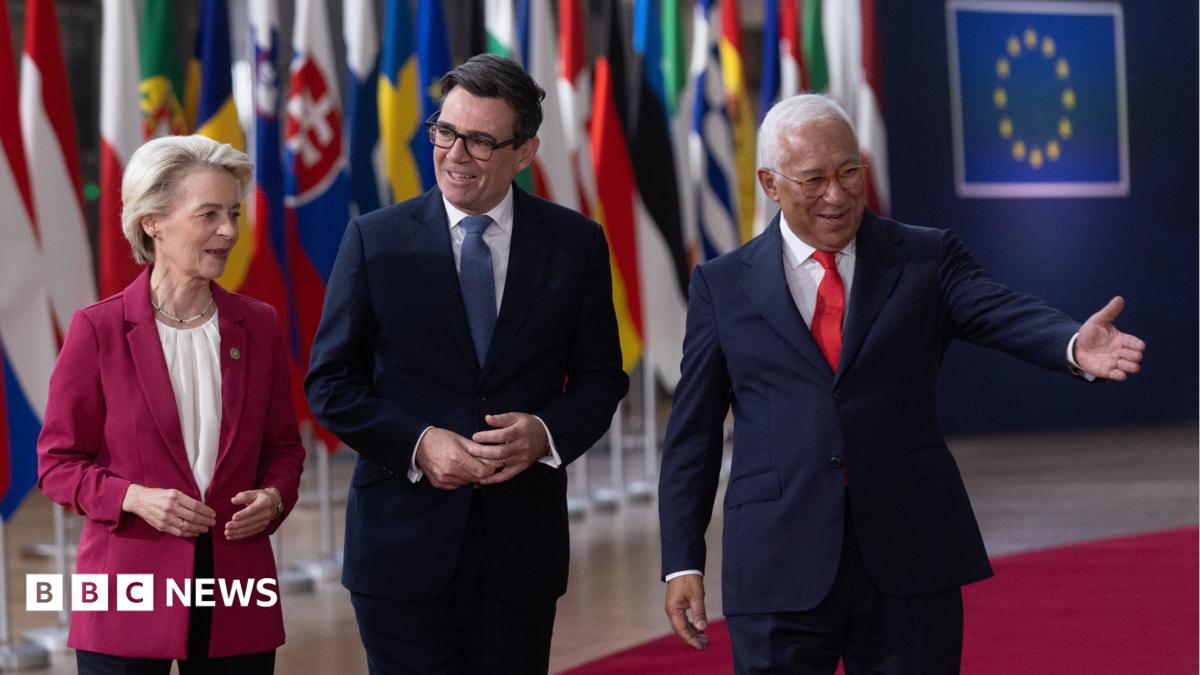
UK Prime Minister Andy Burnham hailed a deal with the EU on youth mobility, food exports, and carbon emissions, marking a commitment to a closer relationship with the bloc. The agreement, reached at a summit with Ursula von der Leyen and Antonio Costa, was briefly overshadowed by a dispute over potential conditions linked to university tuition fees for European students in Britain. An EU official initially briefed reporters that implementation of the agreements was contingent on the UK agreeing to cut those fees within six months, a claim later qualified by other EU sources and disputed by the British government. The settled position is that negotiations on student fees will continue on a separate track.
Burnham stated his government had reached the limit of what was possible through incremental deals within the existing post-Brexit framework established by Theresa May. He indicated a desire for a “much closer” relationship with the EU, suggesting future agreements may require a departure from that framework. The UK also intends to pursue negotiations regarding the EU’s “Made in Europe” plans, aimed at protecting European industries from Chinese competition.
While the initial confusion over tuition fees has been set aside for now, the issue carries political risk for Burnham, as reducing or equalizing fees could create financial strain on universities. A deterioration in those negotiations could also jeopardize the progress made on today's agreements. Left-leaning coverage emphasizes Burnham’s commitment to closer ties with the EU, while center coverage focuses on the pragmatic details of the deal and the ongoing negotiations. No right-leaning outlet reported this story.
Where they differ
- BBC Politics emphasized the initial confusion surrounding the linkage between the deal and university tuition fees, detailing the conflicting briefings from EU officials.
- Financial Times provided a concise overview of the agreement, framing it as a step toward a closer post-Brexit relationship.
- BBC Politics highlighted Burnham’s commitment to a closer relationship with the EU, quoting his statements about reaching the limits of incremental deals.
- Financial Times focused on the practical implications of the agreement, presenting it as a hopeful sign for future cooperation.
What is not yet known
- The specific details of the ongoing negotiations regarding EU ‘Made in Europe’ plans remain unclear.
- The extent to which Burnham is willing to deviate from the existing post-Brexit framework to achieve a closer relationship with the EU is not fully defined.
Background
- Andy Burnham is the current UK Prime Minister, having secured a deal to reset relations with the EU ten years after the UK’s exit [Fact Refinery, 2026-11-20].
- The previous post-Brexit framework was established by Theresa May, and Burnham has indicated a desire to move beyond its limitations [Fact Refinery, 2026-11-20].
- A key sticking point in UK-EU relations remains the issue of tuition fees for EU students studying at UK universities, unresolved in prior agreements [Fact Refinery, 2026-11-20].
- Nigel Farage, leader of Reform UK, has consistently criticized Burnham’s attempts to strengthen ties with the EU, viewing them as a betrayal of prior pledges [Fact Refinery, 2026-11-20].
Our reading
We see the tuition fee dispute as the most immediate threat to this agreement. While currently sidelined, it’s not resolved, and the conflicting briefings from EU officials, initially linking the deal’s implementation to fee reductions, reveal a potential pressure point. Most likely, Burnham will attempt further incremental concessions on fees, hoping to satisfy EU concerns without causing significant domestic political backlash. A less likely outcome is a more substantial departure from the existing post-Brexit framework, potentially involving closer alignment with EU regulations, if the fee issue proves intractable. This would require significant political capital and could provoke a strong reaction from hard-right factions within his own party. Beyond the immediate deal, this agreement signals a broader shift in UK-EU relations. The focus on reconnecting carbon markets and easing food trade, as highlighted by Financial Times and MLQ.ai, suggests a pragmatic attempt to address shared economic interests. However, the parallel negotiations regarding the EU’s “Made in Europe” plans, aimed at countering Chinese competition, introduce a new layer of complexity. This could strain relations with China, particularly given recent meetings between Trump and both Putin and Xi Jinping, as reported by Fact Refinery. The absence of right-leaning coverage is notable. This suggests a potential internal struggle within those parties, torn between acknowledging public desire for closer ties with Europe (73% according to Farage) and maintaining a commitment to Brexit principles. This division could weaken their ability to effectively oppose Burnham’s strategy.
What to watch
- A vote on university tuition fees in the UK Parliament [BBC Politics].
- The deadline for further negotiations on the EU’s “Made in Europe” plans [Financial Times].
- Official figures on the impact of the agreement on UK-EU food trade [The i Paper].
Read the original coverage
💬 Comments
📜 Comment Policy