Army to Detonate Explosive in Iowa Despite Resident Concerns
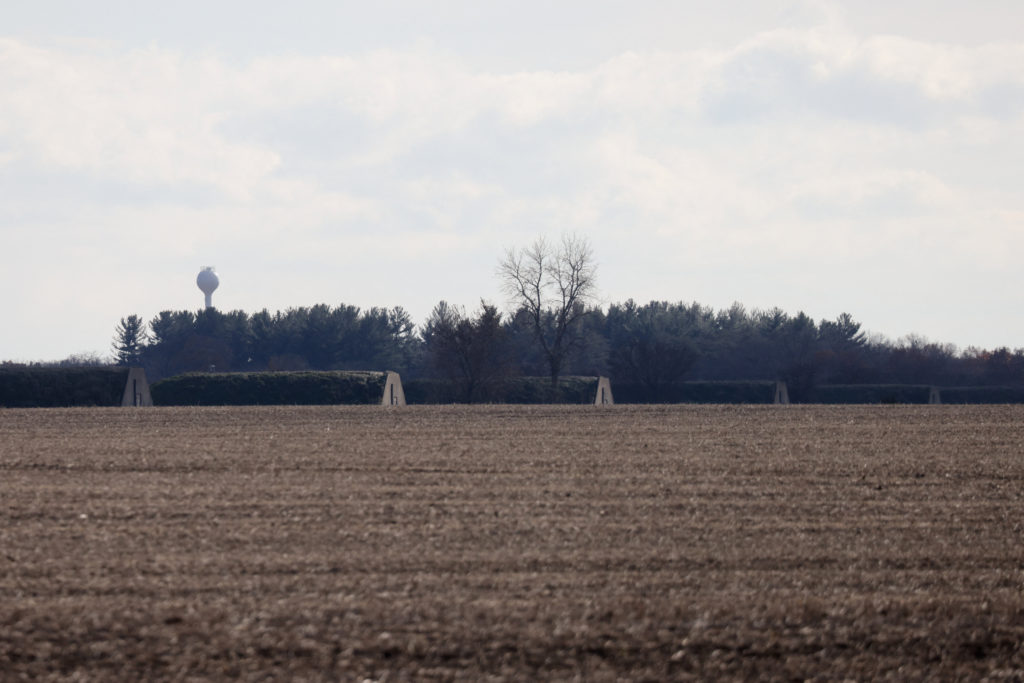
The U.S. Army is moving forward with a planned detonation of nearly 10,000 pounds of lead azide, a highly volatile explosive compound, at a military ammunition plant in Iowa on Wednesday, despite concerns from local residents. The lead azide, used in military munitions, has been deteriorating underground, and officials state a controlled explosion is the safest way to dispose of it. The detonation is scheduled to occur one day before Thanksgiving, prompting the Iowa National Guard to assist with temporary evacuations of impacted residents.
Army officials acknowledge the detonation could release a plume of toxic lead dust, but maintain it is the preferred method of disposal. NBC News reported that residents are preparing for the blast, with the National Guard on the ground to facilitate evacuations. PBS Newshour noted that the decision comes despite concerns voiced by those living near the ammunition plant. The detonation is planned for Wednesday morning, according to NBC News.
While the Army insists on the controlled detonation, the timing so close to Thanksgiving has raised anxieties among residents, who are preparing for potential disruption and exposure to hazardous materials.
Background
- The U.S. Army plans to detonate nearly 10,000 pounds of lead azide at a military ammunition plant in Iowa [Fact Refinery, 2026-11-24].
- Environmental groups previously sued over the Army’s plan to detonate the unstable lead azide, citing health and pollution risks [Fact Refinery, 2026-11-23].
- The Army rejected a cleaner, though unspecified, alternative method for disposing of the lead azide [The New York Times, 2026-11-21].
- The detonation is scheduled for Wednesday, the day before Thanksgiving, and will involve temporary evacuations of impacted residents [Fact Refinery, 2026-11-24].
- The Army is proceeding with the detonation despite not having an EPA permit [The Des Moines Register, 2026-11-23].
Our reading
We begin by assessing the most likely outcome: the detonation will proceed as planned on Wednesday, despite resident concerns and the lack of an EPA permit. The Army has already received a court ruling allowing them to move forward [Fact Refinery, 2026-11-24], and the preparations, including National Guard assistance with evacuations, are underway. A less likely scenario involves a last-minute delay due to unexpectedly severe weather, mirroring the disruptions affecting Thanksgiving travel elsewhere [Fact Refinery, 2026-11-24]. However, given the Army’s insistence on this method and the court’s approval, a complete cancellation seems improbable. A significant increase in public pressure, perhaps combined with a negative report from an independent environmental assessment, could still force a reconsideration. The timing of this detonation alongside the broader Thanksgiving travel disruptions, including storms, airline delays, and potential flooding from king tides [Fact Refinery, 2026-11-24], creates a pattern of pre-holiday logistical challenges. While not directly linked, the convergence of these events could exacerbate public anxiety and strain emergency services. The fact that the Army is proceeding without an EPA permit, as reported by The Des Moines Register [2026-11-23], suggests a prioritization of expediency over full regulatory compliance, a detail likely to fuel further criticism. From the Army’s perspective, the decision to proceed despite concerns likely stems from a calculation that a controlled detonation, even with the risk of lead dust, is preferable to the potential consequences of leaving the deteriorating lead azide underground. The New York Times reports the Army rejected a cleaner option [2026-11-21], suggesting a cost-benefit analysis where the immediate expense and logistical complexity of an alternative outweighed the long-term environmental risks. This also implies a willingness to absorb public relations damage in the short term.
What to watch
- Confirmation of the detonation time and successful completion of evacuations, via local Iowa news outlets [NBC News, PBS Newshour].
- Any reports of significant lead dust plumes following the detonation, monitored through environmental agencies and local media [Missouri Department of Natural Resources].
- Any legal challenges or statements from the EPA regarding the lack of a permit, tracked through official government websites and news reports [The Des Moines Register].
Read the original coverage
💬 Comments
📜 Comment Policy