Army Deems Lead Azide Detonation Successful, Faces Scrutiny Over Communication
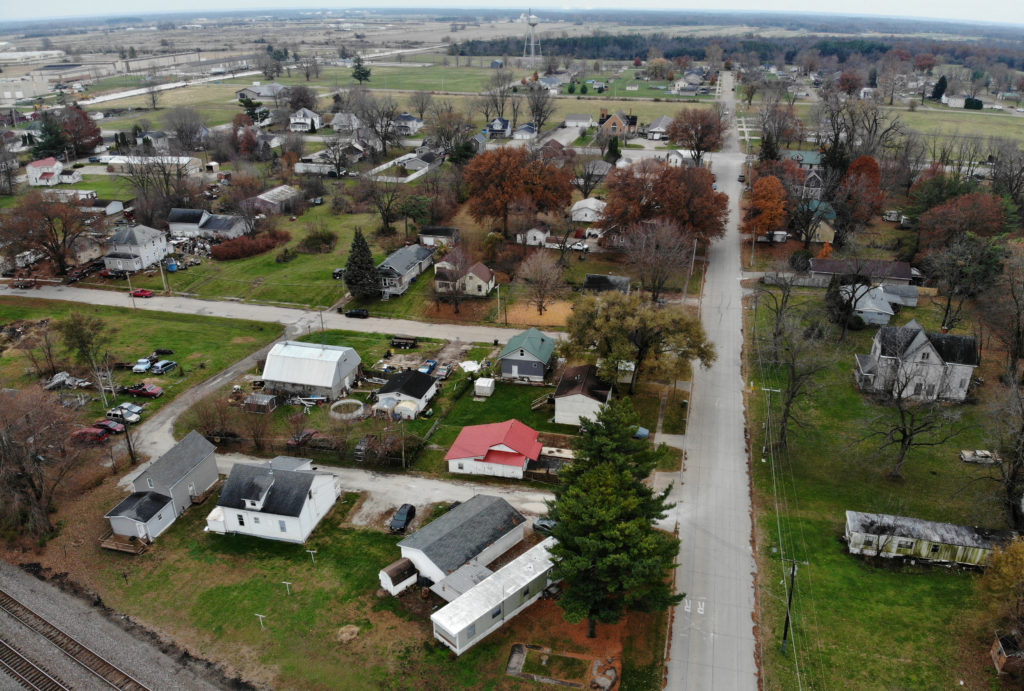
The U.S. Army has deemed the detonation of the nation’s aging stockpile of lead azide a success, but criticism persists regarding the transparency of the process and the level of advance notification provided to the public and elected officials. The detonation, conducted to prevent potential spontaneous explosions, took place at the Iowa Army Ammunition Plant in Middletown. The Environmental Protection Agency (EPA) has reported “zero” airborne lead detected in the region since Wednesday’s controlled detonation, with over 1,500 samples taken before and hundreds after the event, examining air, water, soil, and dust. While Middletown residents were informed of the issue following a plant closure in March and a public meeting in October, broader public awareness and notification of elected officials were reportedly lacking until shortly before the detonation. Democratic Governor-elect Rob Sand has called for an investigation into why the lead azide was allowed to become unstable. The Army assembled a working group in January to chart a path forward, and approximately 200 residents attended an October meeting outlining the urgency of the situation. Mayor Rodney Johnson of Middletown stated that he was briefed on the problem and shown photos of the stored barrels in March. The EPA continues to monitor the area, and results from Thursday’s sampling of schools, playgrounds, churches, and homes are expected in the coming days.
Background
- The U.S. Army planned to detonate approximately 5 tons of unstable lead azide at the Iowa Army Ammunition Plant in Middletown, Iowa, due to safety risks from its deterioration [Fact Refinery, 2026-11-20].
- Environmental groups filed a lawsuit to halt the detonation, citing health and pollution risks for the approximately 400 residents of Middletown and surrounding areas [Fact Refinery, 2026-11-23].
- The Army initially scheduled the detonation for Friday, then delayed it multiple times, even after a court temporarily paused the operation, ultimately invoking emergency provisions to proceed [Fact Refinery, 2026-11-23, 2026-11-24].
- Lead azide is a highly sensitive explosive used in munitions for nearly a century, and the Army discovered in March that water had evaporated from its stabilizing bath [Fact Refinery, 2026-11-24].
Our reading
We begin by considering the most likely outcome: continued scrutiny and potential legal challenges. While the Army deems the detonation a success based on initial EPA reports of zero airborne lead, the criticism surrounding communication and notification is unlikely to subside quickly. Governor-elect Sand’s call for an investigation suggests a political dimension will remain prominent, potentially leading to further hearings or demands for greater transparency. A less likely outcome would be a swift acceptance of the Army’s findings and a return to normal for Middletown. This would require the forthcoming EPA results from Thursday’s sampling to remain consistently negative and a demonstrable effort by the Army to address concerns about the process. The incident highlights a broader aspect of aging infrastructure and the challenges of managing hazardous materials. The decades-long deterioration of the lead azide, and the eventual need for a potentially risky detonation, speaks to a systemic issue of deferred maintenance within the Army’s facilities. This could prompt a wider review of other stockpiles and storage practices. The Army’s decision to invoke emergency provisions, bypassing the court order, suggests a prioritization of perceived immediate safety over procedural correctness. This could damage trust with local communities and environmental groups, potentially making future operations more difficult. The fact that the Army proceeded despite legal challenges and concerns from elected officials indicates a willingness to accept political fallout in pursuit of its safety objectives.
What to watch
- The full results of the EPA’s Thursday sampling of schools, playgrounds, churches, and homes, expected in the coming days [EPA]. This will be the key indicator of whether the detonation truly resulted in no environmental impact.
- Governor-elect Rob Sand’s investigation into the circumstances surrounding the lead azide’s instability and the notification process [Governor’s Office]. The scope and findings of this investigation will reveal the level of accountability being sought.
- Any further legal action filed by environmental groups or Middletown residents [Court Records]. This will indicate whether the existing concerns are escalating into prolonged legal battles.
Read the original coverage
💬 Comments
📜 Comment Policy