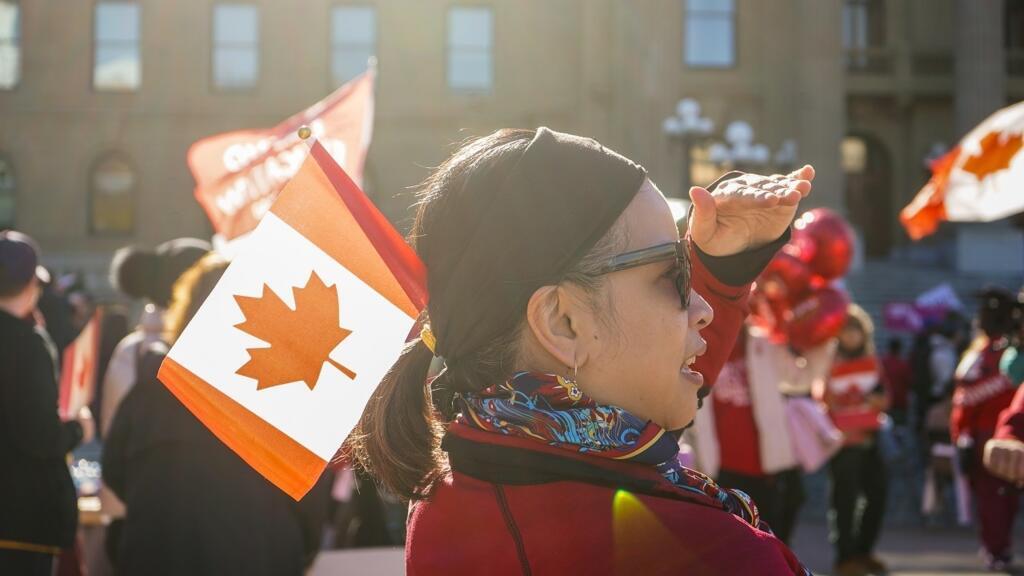
Alberta voters are participating in a nonbinding vote Monday that could pave the way for a future referendum on separation from Canada. The vote, described as the largest electoral event in the province’s history, asks Albertans whether the province should begin the legal process toward holding a referendum on independence. While polls indicate a majority will reject initiating a separation referendum, with estimates of around one in five Albertans supporting separation, the vote has brought long-standing grievances to the forefront. These grievances, dating back to the 1970s and 1980s and intensified by COVID-19 lockdowns, center on a sense of western alienation and dissatisfaction with the federal government. Premier Danielle Smith stated in May that the vote was intended to gauge the will of Albertans on the subject. Cory Morgan, founder of the Alberta Independence Party and Pathway to Independence, believes the vote signals growing support for separation, even if unsuccessful on Monday, warning of continued pressure for change. Prime Minister Mark Carney urged Albertans to remain part of Canada, arguing that a vote for separation would create years of uncertainty and lost opportunities. Alberta, one of Canada’s wealthiest provinces, is a significant contributor to Canada’s equalization system and holds the world’s fourth-largest known oil reserves.
Our reading is that while a majority of Albertans are currently projected to vote against initiating a separation referendum, the vote itself is indicative of deep-seated and longstanding grievances. The framing of the vote as a means to “gauge the will” of Albertans, coupled with warnings from Prime Minister Carney about external interference, suggests a complex situation beyond simple support for or opposition to independence. The context of recent events, including a military base fire and a transit accident, adds to a sense of instability within the province.
Read the original coverage
💬 Comments
📜 Comment Policy