Agriculture Secretary’s Religious Emails Ruled Unconstitutional
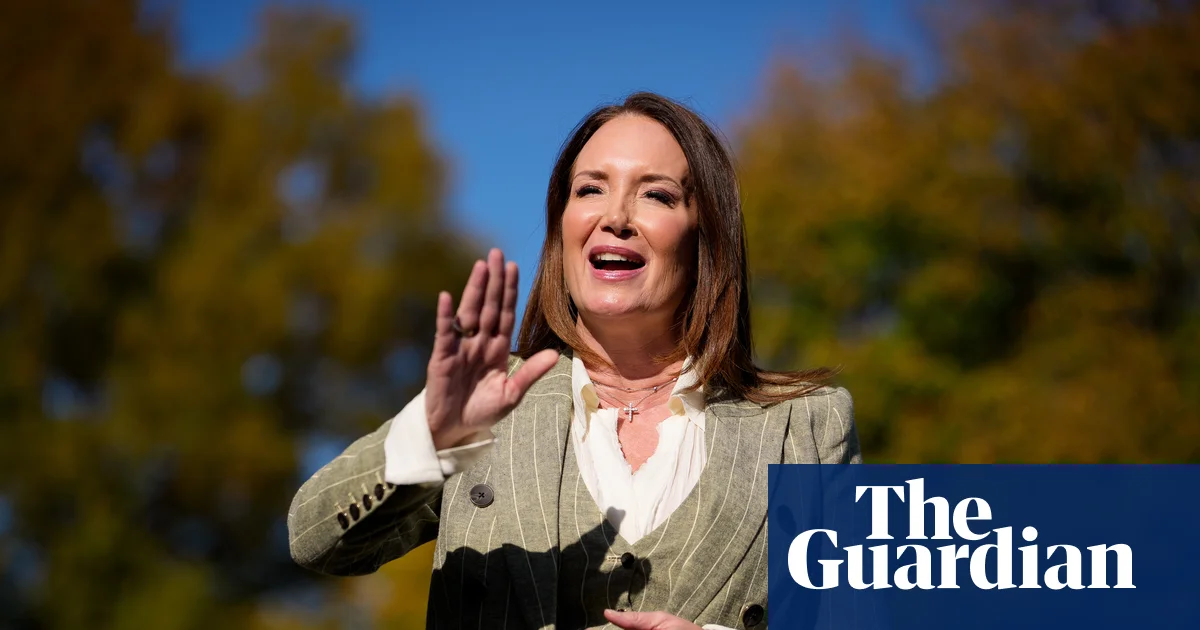
US Agriculture Secretary Brooke Rollins’s practice of sending religious messages to the department’s 100,000 employees via official email has been deemed unconstitutional by a federal judge. Judge Trina Thompson ruled that the emails, which included Christian messages for holidays like Easter and Thanksgiving but not for other religions, violated the First Amendment’s establishment clause due to Rollins’s authority and the coercive potential of the communications. The lawsuit was brought by six USDA employees and the National Federation of Federal Employees in May.
The judge specified that Rollins may discuss her faith with interested colleagues, share its meaning, invite coworkers to religious events, and express her views in appropriate conversations. However, she must cease sending religious messages if asked by a colleague, and cannot create a hostile work environment or use her authority to pressure subordinates, directives taken directly from a USDA policy on religious expression that Rollins herself adopted. The ruling acknowledges Rollins’s right to practice her faith privately and to discuss it with willing colleagues.
The emails included statements such as, “May God continue to protect the United States of America and may His favor shine over all her land,” and a Christmas message stating that “The spirit of generosity flows from the very first Christmas when God gave us the greatest gift possible, the gift of his Son and our Savior Jesus Christ.” An Easter message read, “He is Risen indeed! Today we celebrate the greatest story ever told….” The USDA has not responded to requests for comment. The court’s decision clarifies the boundaries of religious expression for the Secretary within the workplace, balancing her personal beliefs with the constitutional rights of employees.
Background
- Brooke Rollins is the US Agriculture Secretary [Fact Refinery, 2026-11-19].
- In 2026, Judge Trina Thompson blocked the Trump administration from threatening election officials ahead of midterm results [Fact Refinery, 2026-10-31].
- Demographic research projects Muslims will outnumber Christians globally by 2035 [Fact Refinery, 2026-11-18].
- The International Court of Justice ruled Myanmar committed genocide against the Rohingya minority in 2017 [Fact Refinery, 2026-11-19].
Our reading
We begin by forecasting that the ruling will most likely prompt further litigation, specifically appeals by the Secretary, potentially reaching the Supreme Court. The outcome there will depend on the composition of the court and its interpretation of the First Amendment’s establishment clause, given the existing precedent regarding religious expression in public life. A less likely outcome is a negotiated settlement between the USDA and the plaintiffs, perhaps involving a revised policy on religious expression that satisfies both sides. This would require Rollins to demonstrate a willingness to compromise. The case highlights a broader aspect: the increasing tension between religious freedom and the separation of church and state within the US government. While the judge acknowledged Rollins’s right to personal religious expression, the ruling underscores the limitations of that right when it potentially infringes on the rights of others within a professional context. This tension is likely to resurface in other cases involving government employees and their religious beliefs. Considering the other side, Rollins’s position likely stems from a genuine desire to express her faith and share it with colleagues. The ruling may be perceived by her supporters as an infringement on her religious freedom, potentially fueling resentment and reinforcing the narrative of a culture war. The USDA’s silence on the matter suggests internal debate or a strategic decision to avoid further public scrutiny.
What to watch
- The USDA’s response to the ruling and any indication of an appeal [USDA website/press releases].
- Any further legal filings in the case, particularly a notice of appeal [court records].
- Statements from religious advocacy groups on both sides of the issue [group websites/press releases].
Read the original coverage
💬 Comments
📜 Comment Policy