Bulgaria could receive a fine from the EU due to the budget deficit
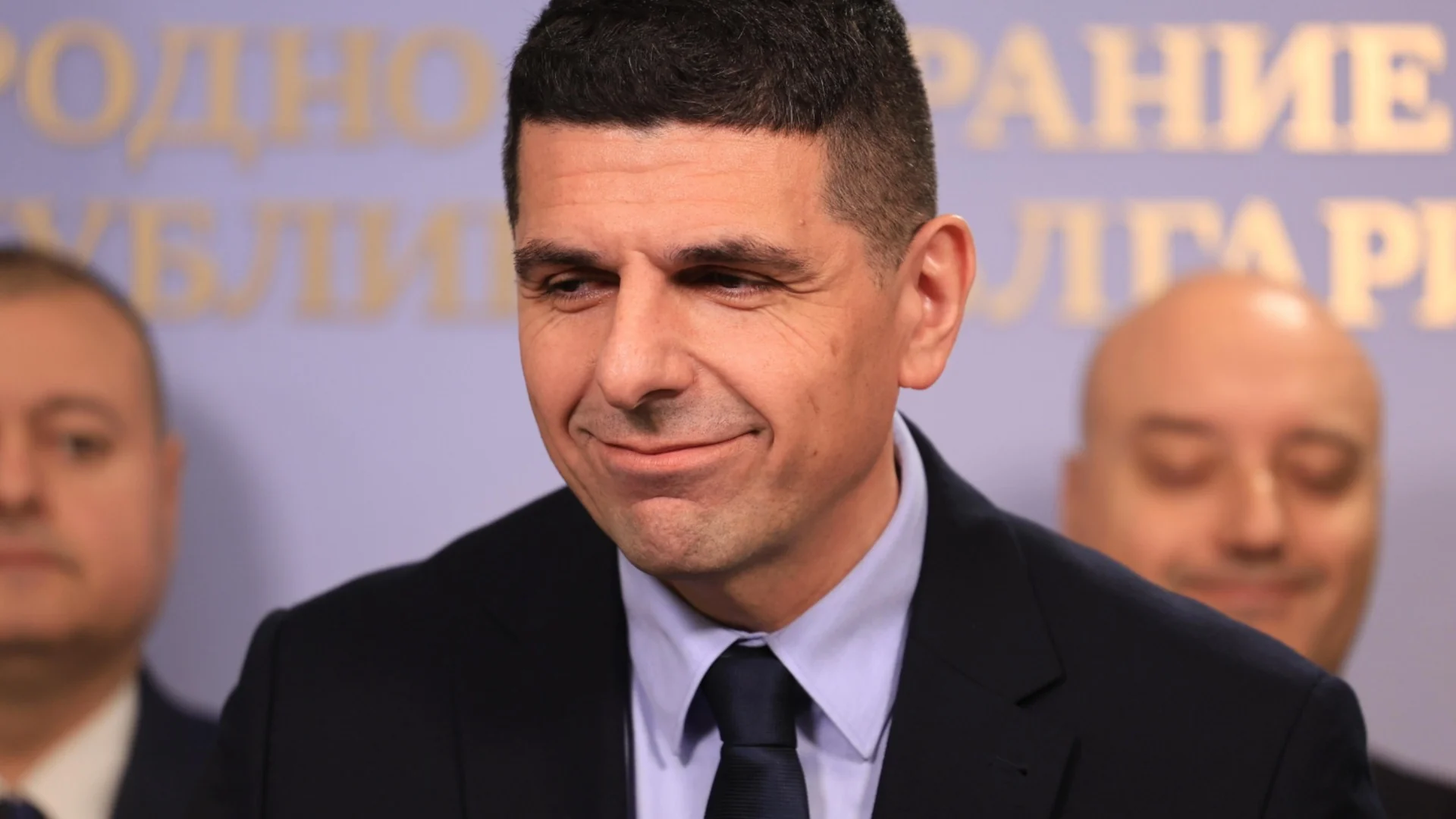
The European Commission recommended that a financial sanction of around 25 million euros be imposed on Bulgaria due to insufficient measures to control the budget deficit. The fine, amounting to 0.02% of the gross domestic product (GDP), is related to the failure to implement recommendations under the excessive budget deficit procedure. The European Commissioner for Economy and Productivity, Valdis Dombrovskis, announced the recommendation as part of the autumn European semester. The final decision will be taken by the European Council of Finance Ministers on December 11. According to Brussels' forecasts, Bulgaria's budget deficit could reach 4% of GDP by 2027. Ivaylo Mirchev, co chairman of "Yes, Bulgaria", pointed out that they had been warning about this possibility for weeks, but ministers from the cabinet had denied it. He emphasized that the big problem is that the country is not a reliable member of the eurozone, as the rulers do not follow the fiscal rules. "Democratic Bulgaria" has proposed a plan to reduce the deficit to below 3% of GDP by 2027, but it was not accepted by "Progressive Bulgaria". Theoretically, there is still a chance to avoid the fine, but this requires a 2/3 majority in the EU Council to vote against its imposition, which at this stage seems unlikely. Parallel to this, North Macedonia continues to have difficulties on the path to EU membership, although it is among the countries with the highest degree of readiness to bring its legislation into compliance with European standards. The obstacle is the constitutional amendment, which must include Bulgarians as a recognized community in the country, but the necessary majority in parliament has not been achieved.
Where they diverge
• Fakti.bg focuses mainly on the process of North Macedonia's accession to the EU, while Actualno.bg and Standartnews.bg emphasize the EC recommendation to impose a fine on Bulgaria.
• Actualno.bg and Standartnews.bg provide specific data on the size of the fine (25 million euros and 0.02% of GDP), while Fakti.bg does not mention these figures.
• Fakti.bg emphasizes the political obstacles to North Macedonia's accession, related to disputes with Bulgaria, while the other two sources do not pay attention to this aspect.
What else is not known
• It is not clear what specific measures Bulgaria would take to avoid the fine, although it is mentioned that a consensus in the EU Council is necessary.
• It is not clear what the effect of a potential fine on the Bulgarian economy and budget would be.
Context
• Bulgaria is facing an excessive budget deficit procedure, which could lead to financial sanctions from the European Commission [Fact Refinery, 2026-11-24].
• According to European Commission forecasts, Bulgaria's budget deficit could reach 4% of GDP by 2027 [Article, 2026-11-24].
• "Yes, Bulgaria" has proposed a plan to reduce the deficit to below 3% of GDP by 2027, which was not accepted by "Progressive Bulgaria" [Article, 2026-11-24].
• Membership in the eurozone requires compliance with fiscal rules, which the current government does not follow, according to "Yes, Bulgaria" [Article, 2026-11-24].
Our reading
Most likely, Bulgaria will receive the fine proposed by the European Commission, as it is unlikely that the necessary majority will be gathered in the EU Council to cancel it. If the government fails to present convincing measures to reduce the deficit, or if the political situation within the country remains unstable, this will increase the probability of the sanction being imposed. It is less likely that a consensus will be reached in the EU Council, but this could happen if other member states also have concerns regarding fiscal discipline. In addition to the financial sanction, the ongoing problem with the budget deficit could slow down North Macedonia's accession to the EU, as Bulgaria insists on the fulfillment of certain conditions related to the rights of the Bulgarian minority. This further complicates relations between the two countries and creates tension within the European Union. Within North Macedonia, the lack of a sufficient majority for a constitutional amendment to recognize the Bulgarian community shows political instability and difficulties in carrying out the necessary reforms for EU membership. This could lead to a slowdown in the accession process and undermine confidence in the government.
What to watch
- The decision of the European Council of Finance Ministers on December 11 regarding the imposition of the fine on Bulgaria [Article, 2026-11-24].
- The publication of official data on Bulgaria's budget deficit for the end of 2026, which will show whether the country has succeeded in reducing the deficit [Fact Refinery, 2026-11-24].
- The results of the vote in the parliament of North Macedonia regarding the constitutional amendment related to the recognition of the Bulgarian community [Article, 2026-11-24].
Read the original coverage
💬 Comments
📜 Comment Policy