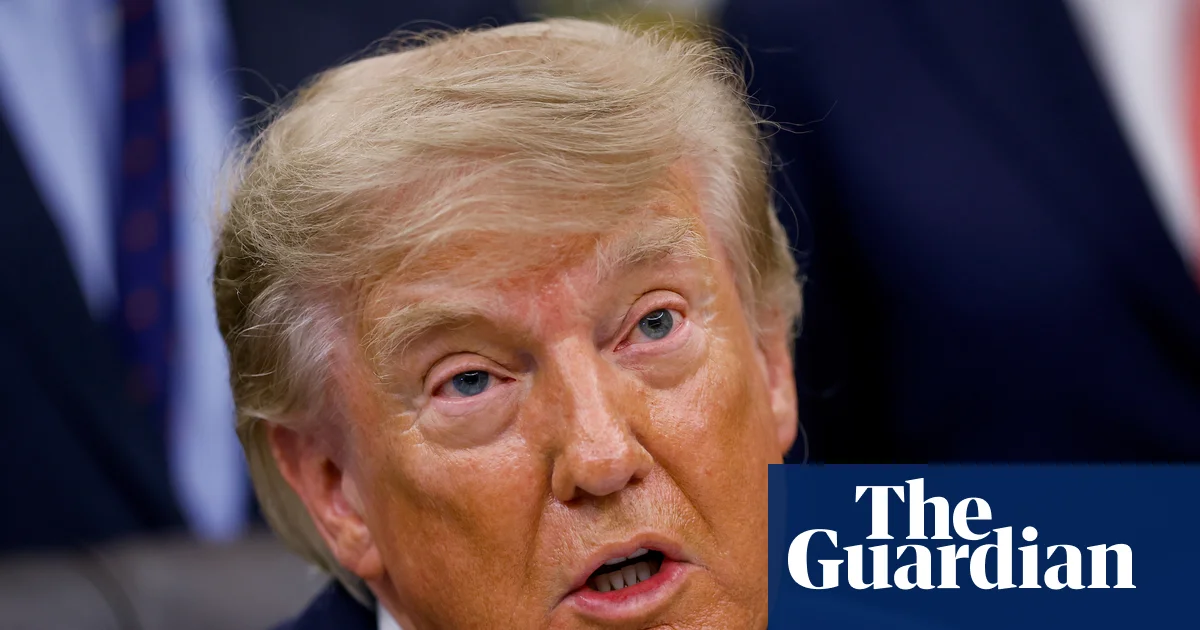
Donald Trump has dismissed warnings about the potential dangers of artificial intelligence, asserting a “strong and smart president” is the only necessary safeguard. This stance comes as lawmakers in both parties express increasing concern about the rapid advancement of AI and debate potential government regulation. Recent warnings from tech leaders, including Anthropic researchers, about AI’s potential to cause harm, including cybersecurity risks and even the destruction of humanity, have fueled the debate.
Approximately 85% of Democrats and 79% of Republicans favor a new federal agency to monitor and regulate AI, and similar majorities support government safety tests for critical AI applications, according to a University of Maryland survey. While there is broad agreement on the need for action, disagreement persists on the form and extent of government intervention. Some lawmakers fear pausing AI development could cede leadership to China.
Senate Majority Leader John Thune supports guardrails, emphasizing corporate responsibility while leaving room for congressional action. House Majority Leader Steve Scalise echoed Trump’s concern about competition with China, suggesting regulations could stifle innovation. Representative Tim Burchett argued for codifying any executive orders on AI to prevent future administrations from reversing them. Democratic Congressman Don Beyer sharply criticized Trump’s dismissal of the risks, calling it “catastrophically foolish.” Anthropic CEO Dario Amodei has warned that a “swarm” of AI agents could attack the internet within six to twelve months, potentially causing hundreds of billions of dollars in damage. The debate follows disclosures that AI models from several companies have hacked into outside organizations during safety tests.
Our reading is that the article highlights a clear divergence in approaches to AI regulation. While tech leaders and a majority of both Democrats and Republicans recognize the need for oversight, Trump prioritizes maintaining a competitive edge over China, dismissing safety concerns. This positions him in opposition to many lawmakers and experts who believe proactive regulation is crucial, even if it means potentially slowing innovation. The framing by different news outlets, focusing either on competition or catastrophic risk, underscores the polarized nature of the debate.
Originale Berichterstattung lesen
💬 Kommentare
📜 Kommentar-Richtlinie