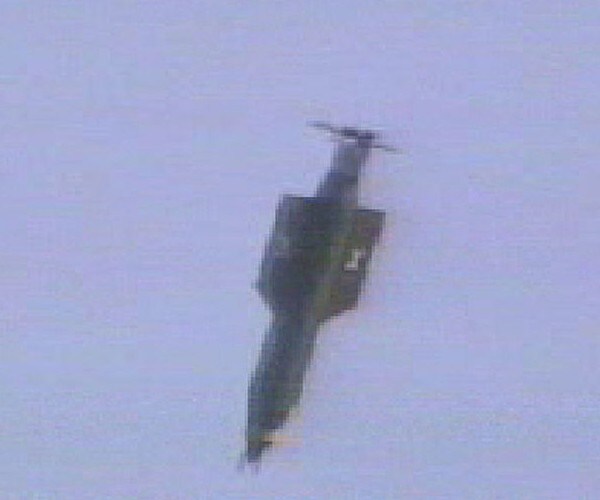
The U.S. military is developing options for potential renewed strikes against Iran, including the possible use of the GBU-43/B Massive Ordnance Air Blast Bomb, also known as the “mother of all bombs.” The consideration of this non-nuclear weapon comes as Tehran vows to continue pursuing its demands and amid escalating tensions in the Middle East, including the sinking of a container ship and attacks on Saudi Arabia by Iran-backed Houthis. The 21,600-pound bomb was previously deployed in Afghanistan in 2017 during the Trump administration. While President Trump stated last week he would not order strikes before the midterm elections on November 3, the White House faces mounting pressure to demonstrate progress in its Middle East objectives, particularly as rising energy prices impact the American public.
According to CNN, the potential use of the MOAB is being considered as a means of “psychological warfare” against Iranian forces and could also serve to bolster domestic support for the administration. One source noted the weapon is best suited for area clearance but lacks the penetrating capability to destroy deeply buried facilities. Iran is reportedly reinforcing defenses around its energy and nuclear sites in anticipation of potential attacks. Mohammad Bagher Ghalibaf, the Iranian Parliament Speaker, stated Iran will continue utilizing military, defensive, and diplomatic strategies to achieve its objectives, demanding the lifting of the U.S. naval blockade and sanctions, as well as the withdrawal of U.S. military forces from the region. Ghalibaf emphasized Iran’s aim is not perpetual war, but to prevent the U.S. and its allies from achieving their goals through military action.
Sources suggest the timing of potential strikes could be influenced by the upcoming midterm elections. RT reported a source stating President Trump “is almost compelled to do something,” given the limited options available. Skeptics, as reported by RT, question whether previous U.S.-Israeli actions have sufficiently weakened Iran’s military and point to depleted U.S. munitions and limited access to regional military bases. Tehran retains the ability to disrupt commercial shipping through the Strait of Hormuz and potentially target economic assets in allied Gulf states if faced with imminent defeat.
Our reading is that the U.S. administration is actively contemplating a significant escalation of force against Iran, potentially using a high-profile weapon like the MOAB, despite previously stating a reluctance to act before the midterms. The consideration of this weapon appears to be driven by a confluence of factors: domestic political pressure, rising energy prices, and a desire to respond to escalating regional tensions. The differing emphasis in reporting, from domestic political gain to devastating strikes, suggests a complex internal debate and external messaging strategy.
Прочетете оригиналното отразяване
💬 Коментари
📜 Правила за коментари