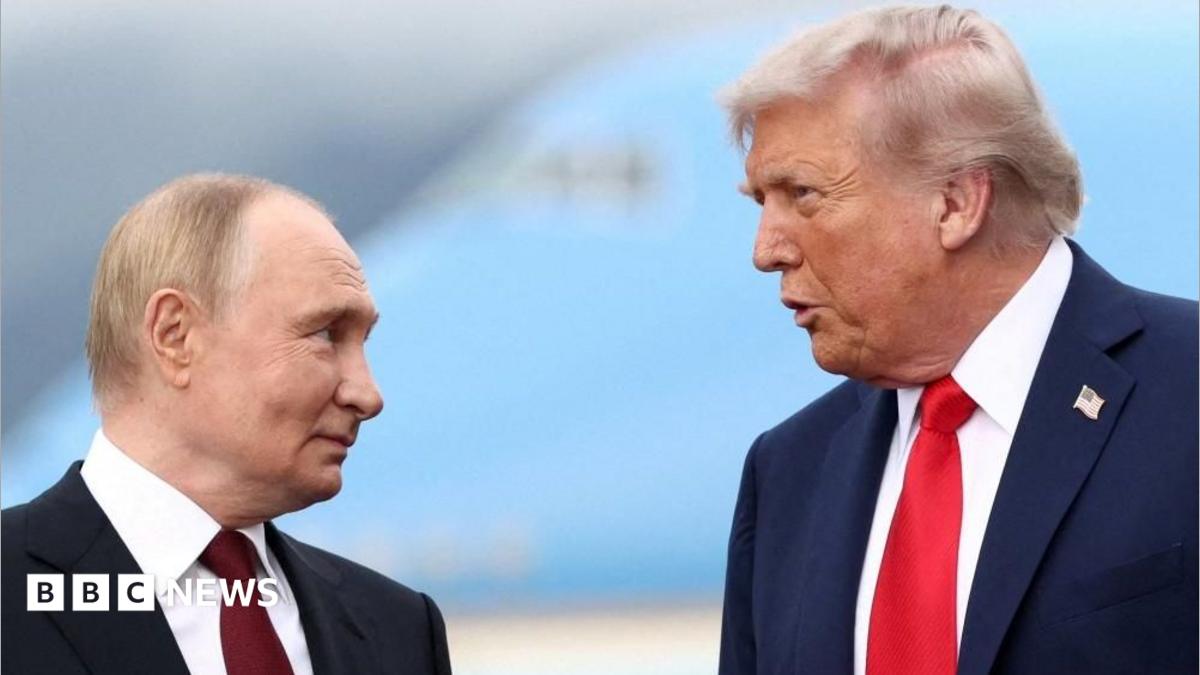
President Donald Trump has invoked his presidential authority to waive numerous sanctions on Russia, despite recently signing legislation intended to punish the country for its war in Ukraine. The move, enacted through an executive order on Friday, allows Trump to withhold some of the sanctions outlined in the Lindsey O. Graham Sanctioning Russia and Iran Act of 2026, which he signed into law in September and was set to take effect Sunday. The decision comes days after Trump announced plans to import Russian diesel in an effort to lower US energy prices before the November midterm elections, a move that drew bipartisan criticism.
The law, named for the late Senator Lindsey Graham, aimed to target Russia’s economy by authorizing tariffs of up to 100% on the top purchasers of Russian oil and gas, most notably China and India. It also included sanctions against President Vladimir Putin, senior Russian officials, financial institutions, and Russia’s “shadow fleet” of tankers. A bipartisan group of 20 lawmakers had urged Trump to fully implement the sanctions, believing they could compel Russia to engage in serious peace talks.
Trump justified the waivers as being in the “national interests of the United States.” The decision follows a phone call with Putin in which they discussed the purchase of Russian diesel, a move criticized by US allies and Ukrainian President Volodymyr Zelensky, who called it a gift to Putin. While some countries, like India, have expressed concerns about the sanctions bill, Trump’s action effectively delays the implementation of potentially significant economic pressure on Russia. RT characterized the previously proposed sanctions as “bone-crushing,” while other outlets noted the law’s potential to disrupt Russian energy exports. The timing of the decision coincides with Trump’s increasingly warm stance toward Russia and public criticism of Ukraine’s President Zelensky.
Our reading is that President Trump’s decision to waive Russia sanctions, despite congressional approval and recent legislation intended to punish Russia, demonstrates a prioritization of perceived short-term domestic political gains, lowering energy prices before the midterm elections, over a unified stance against Russian aggression. The differing framing of the situation by various news outlets, particularly RT’s emphasis on the severity of the avoided sanctions, highlights the polarized nature of the issue and the active shaping of narratives. The timing of this move, coupled with Trump’s warming relationship with Russia and criticism of Ukraine, suggests a deliberate shift in policy.
Прочетете оригиналното отразяване
💬 Коментари
📜 Правила за коментари