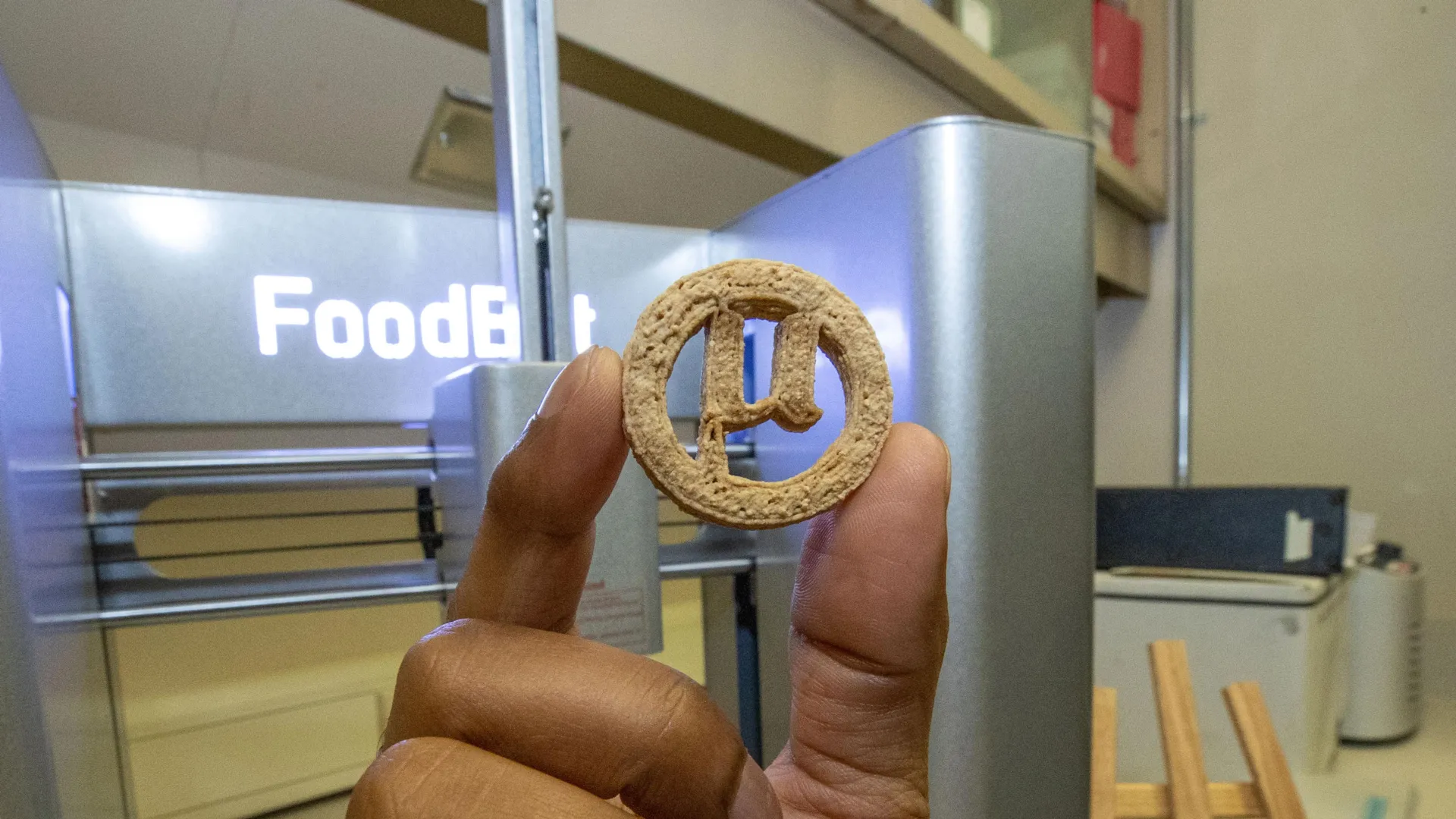
Scientists at Southern Illinois University Carbondale, with NASA backing, are engineering yeast to convert plastic waste and agricultural byproducts into protein-rich cookies. The project, called µBites, aims to address plastic pollution and food insecurity, while also providing a food source for long-duration space missions.
The research, presented at the American Chemical Society fall meeting, focuses on polyethylene terephthalate (PET), commonly found in soda and water bottles. Researchers are utilizing microbes to break down the carbon-rich molecules in PET and rebuild them into components for proteins, fats, vitamins, and even flavorings like vanilla. This microbial approach avoids the need for chemical reactions and laboratory solvents.
Lahiru Jayakody, Associate Professor at SIU Carbondale, explained the team’s rationale: “We were trying to develop technologies for plastic upcycling to make more valuable products. We thought, why not focus on making food? Because plastic is carbon and food is carbon.” He further stated, “Microbes are very clever. So, we are using their traits to solve the problems we created.”
The resulting cookies, dubbed µBites, are 3D-printed and developed as part of NASA’s Deep Space Food Challenge. The system is designed to produce food in resource-limited environments, such as deep space, where resupply from Earth is impractical. Researchers hope the technology will also be applicable to disaster relief and addressing food shortages on Earth.
Прочетете оригиналното отразяване
💬 Коментари
📜 Правила за коментари