Iran Developing Chemical Weapons, Israel Claims Amid Rising Regional Tensions
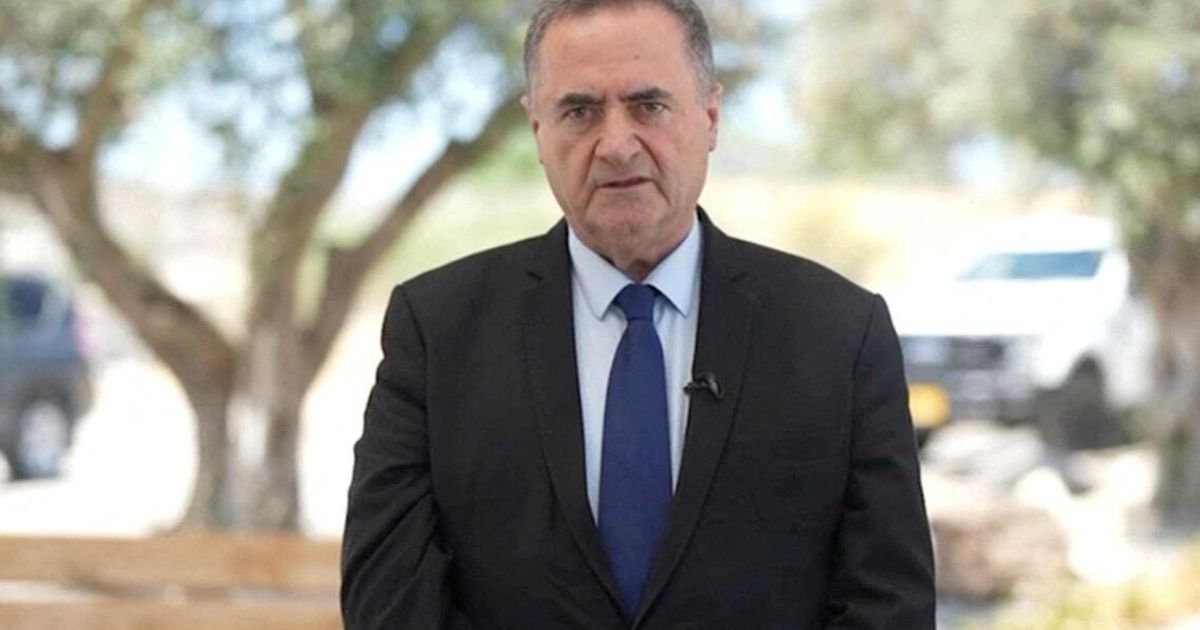
Israeli Defense Minister Israel Katz stated Tuesday that Iran is developing chemical weapons and vowed to prevent Tehran from acquiring such capabilities. This claim comes as regional tensions escalate, with Houthi rebels launching attacks in Saudi Arabia and Iran threatening to close the Strait of Hormuz to unauthorized traffic. The U.S. reports it is currently transporting more oil through the Strait of Hormuz than before recent conflicts, while also maintaining a naval blockade of Iranian ships.
Katz suggested a preemptive strike against Iran if it appears ready to attack, while also framing any Iranian attack as a failure for Israel. Iranian Foreign Minister Abbas Araghchi dismissed the chemical weapons claims as “Iraq War-style propaganda.” A recent CNN report, citing U.S. intelligence, alleged Iran had been developing plans to target Trump administration officials with a “dirty bomb,” a claim also rejected by Araghchi.
Meanwhile, Yemen’s Houthi rebels injured 11 people in a strike on Riyadh’s Financial District and issued a warning for investors to leave Saudi Arabia. Secretary of State Marco Rubio condemned the Houthi attacks during a call with Saudi Foreign Minister Prince Faisal bin Farhan Al Saud, emphasizing the need for freedom of navigation in vital waterways. The commander of Iran’s army reiterated that the Strait of Hormuz remains closed to unauthorized traffic until seven conditions are met, and appeared to call for increased attacks on commercial ships.
Israel recently held a general election with no clear majority, and the formation of a new government remains in progress. Gadi Eisenkot, tasked with forming a government, stated he sees no immediate need to attack Iran at this time, despite acknowledging the Iranian threat as the most serious facing Israel.
What is not yet known
- The specific conditions Iran requires for reopening the Strait of Hormuz remain unspecified.
- The extent to which the U.S. naval blockade of Iran has been fully enforced, beyond the summer moratorium, is not detailed.
Background
- Israel’s Defense Minister Israel Katz previously stated Israeli forces will not withdraw from southern Lebanon, despite a U.S.-brokered ceasefire framework [Fact Refinery, 2026-06-15].
- In September 2026, a flydubai flight traveling from Dubai to Tel Aviv was attacked, with an Omani national attempting to crash the plane [Fact Refinery, 2026-09-30].
- Israel’s President Isaac Herzog pardoned a soldier convicted of manslaughter in 2016, a decision that drew both praise and criticism [Fact Refinery, 2026-09-19].
- Riyadh’s tallest skyscraper, housing the headquarters of the Public Investment Fund, has been attacked twice in the past week, with the Houthis claiming responsibility for the first attack [Fact Refinery, 2026-11-24].
Our reading
We begin by assessing the most likely outcome as continued escalation, albeit potentially contained to proxy conflicts. Israel’s stated willingness to launch a preemptive strike, coupled with Iran’s insistence on maintaining control over the Strait of Hormuz, creates a volatile situation. However, Gadi Eisenkot’s assessment that an immediate attack on Iran is unnecessary suggests a degree of restraint within the Israeli government, and may signal a preference for diplomatic or covert action. A less likely scenario is direct military confrontation between Israel and Iran, which would require a significant shift in either party’s calculus, perhaps triggered by a miscalculation or a further escalation of attacks on Saudi Arabia. The repeated targeting of Saudi infrastructure, specifically the PIF building, and the Houthi warnings to investors, point to a deliberate attempt to destabilize the Saudi economy and undermine its regional influence. This aligns with Iran’s broader strategy of challenging Saudi Arabia’s position as a key U.S. ally and regional power. The U.S. increasing oil transport through the Strait of Hormuz, alongside the naval blockade, suggests a hardening of American policy towards Iran, and a willingness to risk confrontation to protect vital shipping lanes. The internal dynamics within Iran are less clear, but the consistent dismissal of accusations as “propaganda” suggests a strategy of denying the claims and attempting to delegitimize Israel’s narrative. This could indicate a desire to avoid international condemnation and maintain some degree of diplomatic flexibility.
What to watch
- Whether the Houthis claim responsibility for the latest attack in Riyadh [Riyadh-based media, ongoing].
- The specific conditions Iran sets for reopening the Strait of Hormuz [Iranian state media, unspecified date].
- Any further statements from Gadi Eisenkot regarding the timeline for potential military action against Iran [Israeli media, ongoing].
Прочетете оригиналното отразяване
💬 Коментари
📜 Правила за коментари