Huntingdon Train Attacker Found Guilty of Attempted Murder of Fourteen
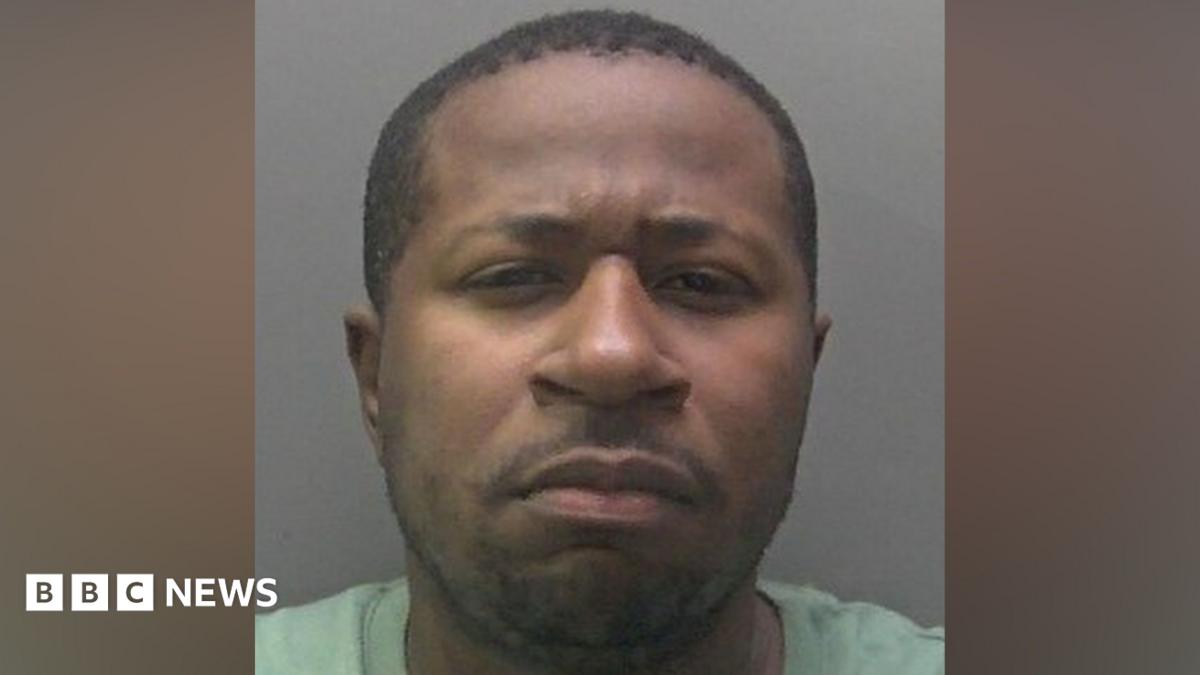
Anthony Williams, 33, has been found guilty of attempting to murder fourteen people in a series of attacks spanning Peterborough and London, including ten on a train traveling to London on November 1, 2025. The attacks began with Jonathan Gjoshe, a Scunthorpe United footballer, being stabbed on the LNER train, followed by attacks on six other passengers, Sachin Balakrishnan, David Presland, Scott Bletcher, Scott Green, Stephen Crean, Kevin Deely, Raza Aslam, and Michael Paffett, and on-board staff member Samir Zitouni. Passengers and staff fought back using items including a frying pan and a toaster, while others hid in toilets and bike racks before the train made an unscheduled stop in Huntingdon, Cambridgeshire, where Williams was arrested.
Prior to the train attack, Williams stabbed a 14-year-old boy and attempted to stab two men in Peterborough on October 31, 2025. He then stabbed a 17-year-old on a DLR train approaching Pontoon Dock station in London in the early hours of November 1. Witnesses on the LNER train reported Williams making comments about the devil and consuming fortified tonic wine. Jurors deliberated for over 15 hours before reaching the guilty verdicts.
Following the verdict, it emerged that Williams had contacted his GP in the month prior to the attacks, stating his anti-psychosis medication for schizophrenia was ineffective. NHS East of England will investigate the care provided to Williams, and Cambridgeshire Police has apologized for missed opportunities that may have prevented the stabbings, with two officers facing misconduct proceedings related to an alleged assault in Peterborough on September 27, 2025. Ben Samples, of the Crown Prosecution Service, stated that the fact nobody was killed was due to the courage and quick thinking of the victims. Williams, appearing via video link from a secure hospital, showed little emotion throughout the proceedings. He will be sentenced on February 4 and 5 at Cambridge Crown Court.
Where they differ
- The Independent provided a more detailed list of the victims by name, while the BBC focused on the overall number of attempted murders.
- The Independent highlighted the actions of on-board staff member Samir Zitouni using a frying pan and a passenger using a toaster, while the BBC mentioned a frying pan and toaster but did not name the passenger.
- The BBC included a quote from Ben Samples of the Crown Prosecution Service, while the Independent did not.
What is not yet known
- The specific reasons why Williams’s anti-psychosis medication was deemed ineffective remain unclear.
- The full details of the missed opportunities identified by Cambridgeshire Police and the outcome of the misconduct proceedings are still pending.
Background
- On November 1, 2023, Anthony Williams stabbed ten people on an LNER train near Huntingdon, Cambridgeshire [Fact Refinery, 2026-11-06].
- Prior to the train attack, Williams stabbed a 14-year-old boy and attempted to stab two men in Peterborough on October 31, 2025, and a 17-year-old on a DLR train in London [Fact Refinery, 2026-11-06].
- Passengers and staff on the LNER train fought back against Williams, using items like a frying pan and a toaster, before the train made an unscheduled stop in Huntingdon where he was arrested [Fact Refinery, 2026-11-06].
- Samir Zitouni, a train worker, sustained injuries, including punctured lungs, while attempting to disarm Williams with a frying pan [Fact Refinery, 2026-11-06].
Our reading
We begin by considering the sentencing on February 4 and 5 as the most likely outcome. The length of jury deliberation, over fifteen hours, suggests a complex case, but the guilty verdict on all fourteen counts points to a strong prosecution case and a likely custodial sentence. A less likely outcome would be a diminished responsibility plea succeeding, given Williams’s documented history of schizophrenia and reported concerns about his medication, but the court has already established intent as the key issue. The NHS East of England investigation and the misconduct proceedings against the two police officers broaden the scope beyond the immediate act of violence. The fact that Williams contacted his GP regarding ineffective medication suggests a potential systemic failure in mental healthcare provision, which the investigation will likely explore. This could lead to changes in how mental health patients are monitored and treated, particularly those with a history of violent behavior. The reports of passengers initially believing the attack was a joke highlight the sheer shock and disbelief experienced by those on the train. This underscores the randomness of the violence and the difficulty in comprehending such acts, potentially leaving lasting psychological effects on the victims and witnesses. The fact that Williams showed little emotion throughout the proceedings suggests a detachment from reality, possibly linked to his mental health condition.
What to watch
- The sentencing hearing on February 4 and 5 at Cambridge Crown Court for details of the sentence imposed [Cambridge Crown Court].
- The publication of the NHS East of England investigation into the care provided to Williams, expected in the coming months [NHS East of England].
- The outcome of the misconduct proceedings against the two Cambridgeshire Police officers, with details likely to be released by the force [Cambridgeshire Police].
Прочетете оригиналното отразяване
💬 Коментари
📜 Правила за коментари