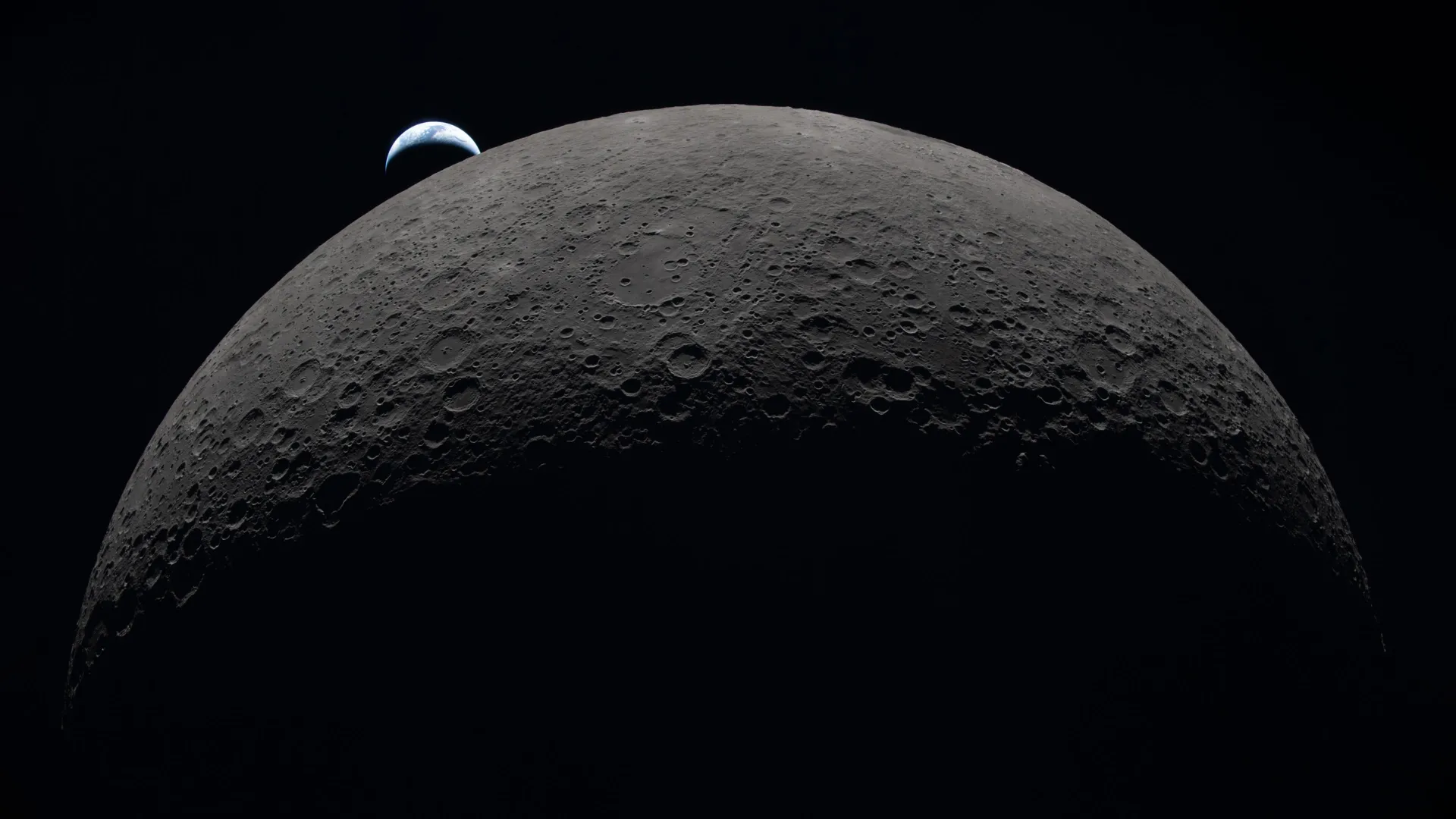
NASA scientists have discovered that microbes brought to the Moon by astronauts could potentially survive in permanently shadowed regions around the Moon’s South Pole. This finding has implications for future lunar research, as it could complicate efforts to analyze pristine lunar chemistry. The research focuses on the survivability of these microbes in the harsh lunar environment, specifically in small, sheltered areas.
According to NASA, these refuges for microbes may be as small as a footprint. The study indicates that some microbes are remarkably resilient, with one hardy fungus even demonstrating the ability to withstand limited exposure to sunlight. This suggests that contamination from previous missions could persist for extended periods.
The primary concern stemming from this discovery is the potential to interfere with future scientific investigations. Researchers aim to study the Moon's original composition and history, but the presence of surviving Earth microbes could skew results and make it difficult to distinguish between lunar and terrestrial life. The shadowed regions, which remain extremely cold and dark, provide a haven for these organisms.
NASA scientists emphasize that understanding the survival capabilities of these microbes is crucial for planning future lunar missions and ensuring the integrity of scientific data. The research highlights the need for stringent planetary protection protocols to minimize the risk of biological contamination and preserve the scientific value of the Moon.
Прочетете оригиналното отразяване
💬 Коментари
📜 Правила за коментари