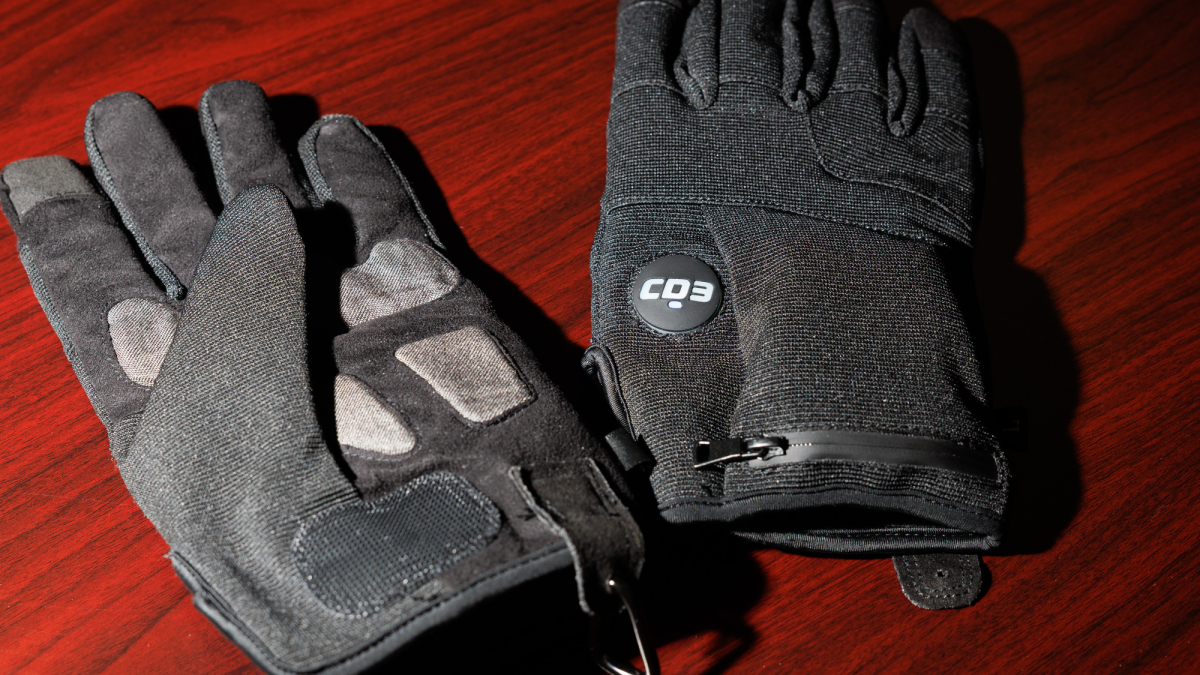
California Governor Gavin Newsom signed a bill Tuesday banning the use of electric shock gloves by law enforcement, including Immigration and Customs Enforcement (ICE), effective in 2027. The ban follows ICE’s recent $16.7 million purchase of approximately 6,000 pairs of the gloves, which have drawn criticism from human rights groups as potentially abusive. The law also includes a 25 percent tax on companies operating immigration detention facilities and expands oversight of those centers. ICE has vowed to disregard the ban, citing the Supremacy Clause of the US Constitution.
The legislation, AB 2760, functions as a moratorium, requiring the state Justice Department to study the gloves’ safety and report findings to lawmakers by 2029, after which the restriction lapses in 2030. Assemblymember LaShae Sharp-Collins, the bill’s author, cited ICE’s order as a catalyst for the legislation, as well as a lawsuit in Kentucky alleging a man died after being repeatedly shocked with the gloves and a taser. The gloves have been the subject of multiple lawsuits alleging excessive force.
Law enforcement groups in California largely opposed the ban. Sacramento County Sheriff Jim Cooper argued the gloves offer a less forceful alternative to batons or strikes, and that the ban would hinder his deputies. His department purchased 10 pairs for around $35,000 for training purposes, but never deployed them in the field. Compliant Technologies, the manufacturer, attributed the ban to “political bias” and a lack of understanding of the product.
The Department of Homeland Security released a statement calling the ban “despicable” and a deliberate attempt to endanger officers, promising to defy it. The legal challenge to the ban is expected to center on the Supremacy Clause, which establishes federal law as supreme to state law.
Our reading is that California is enacting legislation that directly challenges federal authority, specifically regarding immigration enforcement, and anticipates a legal confrontation. The state appears willing to legislate in areas traditionally reserved for federal jurisdiction, even while acknowledging the potential for legal challenges based on the Supremacy Clause. The manufacturer’s claim of “political bias” and the Department of Homeland Security’s “despicable” characterization suggest a high degree of animosity and a lack of compromise.
Прочетете оригиналното отразяване
💬 Коментари
📜 Правила за коментари